

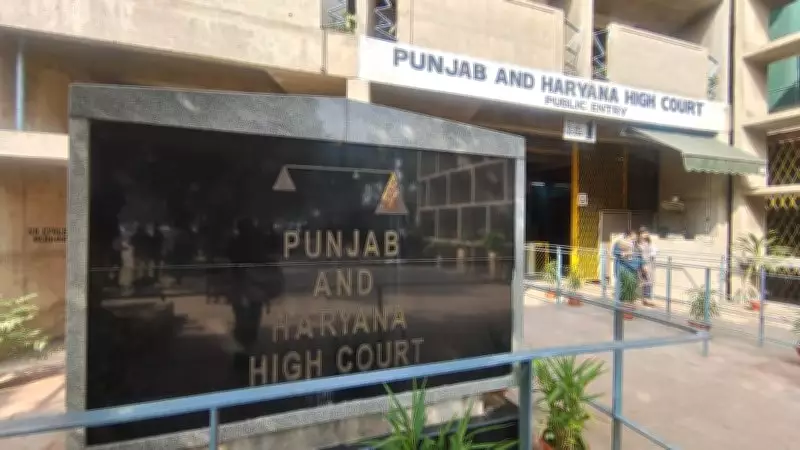
The Punjab and Haryana High Court has ruled that once a plot allottee voluntarily seeks and accepts a refund following cancellation of allotment, they cannot later seek restoration of the allotment or claim parity with other allottees who challenged the cancellation from the outset. The Division Bench of Justice Suvir Sehgal and Justice Deepak Manchanda dismissed a petition filed by an allottee of a plot in Sector 5, Pinjore, holding that her conduct was barred by the doctrine of estoppel.
Case Background
The petitioner had participated in an e-auction conducted by the Haryana Shehri Vikas Pradhikaran (HSVP) on January 25, 2023, for allotment of various properties. She emerged as the highest bidder for a plot in Sector 5, Pinjore, and a Letter of Intent was issued on February 24, 2023. She deposited the entire bid amount of over Rs 1.32 crore, and an allotment letter was issued on July 23, 2023.
Despite depositing the full sale consideration, physical possession of the plot was never delivered. According to the petitioner, HSVP cancelled the allotment on February 20, 2024, and refunded the deposited amount without issuing any notice or assigning any reason. She submitted representations and a legal notice challenging the cancellation.

Petitioner's Arguments
The petitioner relied on an earlier judgment of the High Court in Vishal Kandwal's case, arguing that the controversy was squarely covered by that decision. She contended that possession could not be delivered because HSVP decided to develop only 1000-square-yard plots in Sector 5, Pinjore, and deleted smaller plots, including hers, on the ground that the area fell in hilly terrain requiring alteration of plot sizes.
HSVP's Response
HSVP argued that the petitioner had accepted the terms and conditions governing the e-auction and was entitled only to a refund with interest if possession could not be delivered under the policy. The authority further contended that the petitioner herself had sought a refund through a letter dated December 12, 2023, following which the amount was refunded on February 20, 2024.
Court's Observations
After examining the matter, the Bench held that the facts of the present case were materially different from those in Vishal Kandwal's case. "A bare perusal of the pleadings would show that although the petitioner has sought parity with a similarly situated allottee by placing reliance upon the judgment rendered in Vishal Kandwal's case, the benefit granted therein cannot be extended to the petitioner in the present case, as the facts and circumstances of both the cases are clearly distinguishable," the court observed.
The Bench noted that in Kandwal's case, the allottee had neither sought refund nor accepted it voluntarily and had specifically challenged both the cancellation and the refund. In contrast, the present petitioner had herself sought refund and accepted the amount without protest.
Legal Consequences
Referring to the consequences of such conduct, the court observed: "Such conduct on the part of the petitioner in accepting the refund of the deposited amount consequent upon cancellation of the plot effectively extinguished her claim qua the said property." The Bench further held that it is a settled proposition of law that once a contract is rescinded and monetary consideration is accepted, reopening the dispute becomes legally untenable unless acceptance was procured by coercion, fraud, misrepresentation, or undue influence.
Dismissing the petition, the court concluded: "The petitioner, having consciously opted for refund and accepted the cancellation of allotment, cannot now seek parity with the similarly situated allottee in Vishal Kandwal's case."






