High Court Upholds Integrity of Punjab Senior Assistant Recruitment Exam
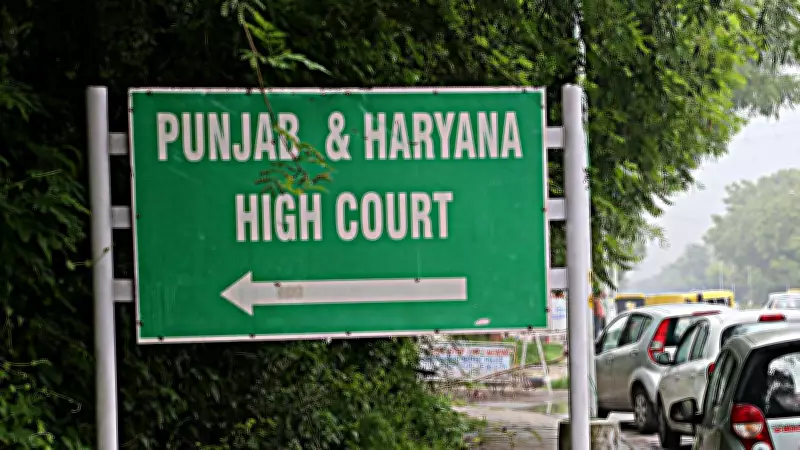
The Punjab and Haryana High Court has delivered a significant judgment, dismissing petitions that alleged widespread irregularities in the recruitment process for 184 senior assistant-cum-inspector posts conducted by the Punjab Subordinate Services Selection Board. Justice Harpreet Singh Brar, in his ruling dated January 21, firmly rejected claims of paper leaks and organized cheating, stating that the petitioners failed to provide credible evidence to support their allegations.
Examination of Allegations and Judicial Scrutiny
The petitioners, led by Akashdeep Kaur, had challenged multiple stages of the recruitment process, including the written examination held on January 28, 2024, the results declared on August 12, 2024, and the typing test conducted in December 2025. They sought a comprehensive judicial inquiry, registration of an FIR, disciplinary action against officials, and a fresh examination.
Justice Brar meticulously examined a sealed inquiry report prepared by a retired high court judge and found no substance in the various allegations raised. The court addressed specific concerns including:

- Regional concentration of successful candidates: The court noted that having 23 candidates from Mansa district among the top 50 could reflect improved educational focus and access to resources rather than indicating foul play.
- Identical wrong answers: Forensic analysis of OMR sheets ruled out common authorship or tampering, with the inquiry report suggesting similarities could arise from common study materials or elimination techniques.
- Previous poor performance of candidates: The court accepted that candidates can show significant improvement through focused preparation and dedicated effort.
- Age-related concerns and family links: These factors were found insufficient to establish systemic fraud in the examination process.
Legal Precedents and Judicial Reasoning
The judgment relied heavily on the Supreme Court ruling in Vanshika Yadav v. Union of India (2024), which established that an examination can only be cancelled when its integrity is compromised at a systemic level and it becomes impossible to separate tainted from untainted candidates. Justice Brar emphasized that the petitioners failed to present sufficient or verifiable material to demonstrate such systemic fraud.
The court made a crucial distinction between this case and previous judgments involving organized cheating networks, impersonation, and pre-examination paper leaks. No evidence of such organized malpractice was found in the present recruitment process.
Justice Brar also noted that lead petitioner Akashdeep Kaur had scored 46 marks in the EWS category, placing her outside the zone of consideration, and had not raised any complaints during or immediately after the examination.
Recruitment Process Cleared for Finalization
With the court vacating the interim relief granted on December 22, 2025, and ordering the inquiry report returned to state counsel, the recruitment process now stands cleared for final appointments. The typing tests and document verification have already been completed, paving the way for the finalization of appointments to the 184 senior assistant-cum-inspector positions.
This judgment reinforces the principle that allegations of examination irregularities must be supported by concrete evidence rather than conjecture. It also highlights the judiciary's careful balancing act between ensuring fair recruitment processes and preventing the cancellation of legitimate examinations based on unsubstantiated claims.
The decision is particularly significant given the competitive nature of government job examinations in Punjab and the high stakes involved for thousands of aspirants. By upholding the examination's validity, the court has provided closure to a contentious recruitment process that had been under judicial scrutiny for months.