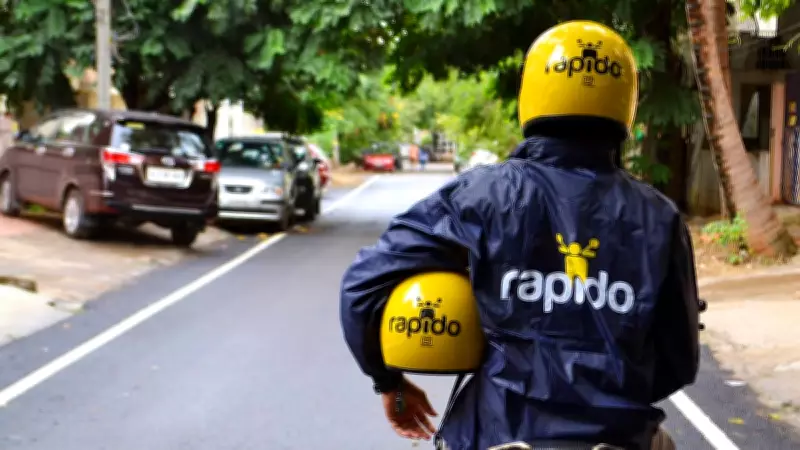
Karnataka High Court Overturns Bike Taxi Ban, Easing Commuter Woes in Bengaluru
In a landmark ruling that promises to transform urban mobility, the Karnataka High Court has officially lifted the ban on bike taxis, paving the way for faster bookings and significantly lower fares for daily commuters across Bengaluru. This decision marks a pivotal shift in the state's transportation landscape, addressing long-standing concerns over accessibility and affordability in one of India's busiest metropolitan areas.
Background and Legal Clarification
The controversy surrounding bike taxis dates back to earlier regulatory challenges, with services facing intermittent suspensions due to legal ambiguities. In August of the previous year, ride-hailing applications had tentatively resumed operations on an unofficial basis, creating confusion among users and operators alike. However, the High Court has now provided much-needed clarity, explicitly stating that no official or legal resumption was authorised during that period. This clarification underscores the court's commitment to upholding regulatory standards while balancing public convenience.
Government Panel's Stance and Reversal
Adding to the complexity, a government-appointed panel in November had previously endorsed the ban, citing safety and regulatory concerns. The panel's recommendations were aimed at ensuring compliance with existing transportation laws, but they also sparked debates over the impact on commuter mobility and economic opportunities for drivers. The High Court's recent ruling effectively overturns this stance, signaling a more progressive approach to integrating innovative transport solutions into Bengaluru's infrastructure.
Implications for Commuters and the Economy
The lifting of the ban is expected to yield immediate benefits for Bengaluru's residents. Commuters can now anticipate:
- Reduced wait times for bookings, as bike taxis offer a nimble alternative to traditional cabs in congested traffic.
- Lower fare structures, making daily travel more affordable for students, professionals, and low-income groups.
- Enhanced last-mile connectivity, bridging gaps in public transport networks and improving overall urban mobility.
Moreover, this decision is likely to stimulate the local economy by creating job opportunities for drivers and fostering growth in the ride-hailing sector. It aligns with broader trends in digital India, where technology-driven services are increasingly integral to urban planning and daily life.
Looking Ahead: Regulatory Framework and Safety Measures
As bike taxis regain legal footing, stakeholders are calling for a robust regulatory framework to ensure safety and accountability. Key considerations include:
- Standardised licensing procedures for drivers to maintain service quality.
- Insurance and liability protocols to protect both passengers and operators.
- Integration with existing transport policies to avoid future conflicts and promote sustainable urban development.
The High Court's ruling sets a precedent for other states grappling with similar issues, highlighting the need for adaptive regulations in the fast-evolving gig economy. With Bengaluru at the forefront, this development could inspire nationwide reforms in bike taxi operations.
In summary, the Karnataka High Court's decision to lift the bike taxi ban represents a significant victory for commuters and the digital economy in Bengaluru. By prioritising accessibility and innovation, this move not only addresses immediate transportation challenges but also paves the way for a more connected and efficient urban future.