

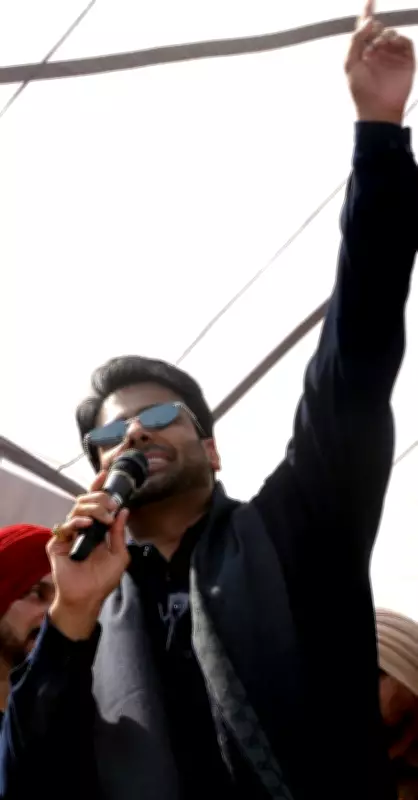
Jalandhar Activist Urges High Court to Take Suo Motu Action Against Songs Promoting Gun Culture
In a significant move, a social activist from Jalandhar has formally approached the Punjab and Haryana High Court, seeking suo motu intervention to address the proliferation of songs that glorify guns and violence. This petition highlights growing concerns over the influence of such content on societal norms and youth behavior.
Petition Details and Legal Grounds
The activist, whose identity has been widely reported in local media, filed the petition urging the court to take cognizance of the matter on its own motion. The plea argues that these songs, often circulated through digital platforms and social media, promote a dangerous culture of violence and weapon glorification. It cites potential violations of laws related to public order and morality, emphasizing the need for judicial oversight to curb this trend.
Key points raised in the petition include:

- The songs allegedly contain explicit lyrics that celebrate firearms and violent acts, which could incite unrest or criminal behavior among listeners.
- There are concerns about the accessibility of such content to young audiences, who might be impressionable and emulate the depicted behaviors.
- The activist calls for stricter regulations or bans on these songs to prevent their negative impact on community safety and mental well-being.
Broader Implications for Society and Law Enforcement
This case underscores a larger debate about freedom of expression versus social responsibility in media. While artistic freedom is protected under constitutional rights, the petition stresses that content promoting violence crosses ethical boundaries and poses real-world risks. Legal experts note that suo motu actions by courts are rare but can be invoked in matters of public interest, such as this one, where immediate judicial intervention is deemed necessary.
Local authorities in Jalandhar have acknowledged the issue, with some officials expressing support for the activist's efforts. However, enforcement challenges remain, given the digital nature of content distribution and jurisdictional complexities.
The outcome of this petition could set a precedent for how Indian courts handle similar cases involving media content and its societal effects. Stakeholders, including artists, policymakers, and civil society groups, are closely monitoring developments, as any ruling may influence future regulations on entertainment and digital media across the region.






