







Politics

Three Minor Boys Rescued from Lohardaga Railway Station in Ranchi
Three minor boys aged 10-11 were rescued from Lohardaga railway station in Ranchi by the RPF. They had left home without informing parents and were handed over to Childline.





World
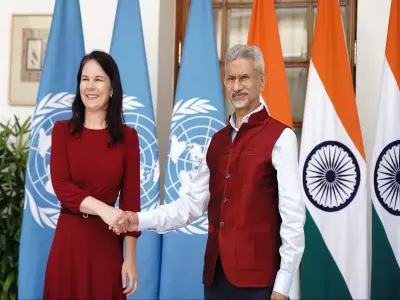
Jaishankar Meets UNGA President, Discusses Reforms and Global Challenges
External Affairs Minister S Jaishankar met UNGA President Dennis Francis in New Delhi to discuss UN reforms, global challenges, and India's role in the Global South.



Entertainment

Melania Trump Rebukes Jimmy Kimmel Over 'Expectant Widow' Joke
First Lady Melania Trump and President Trump criticized Jimmy Kimmel for a joke about her looking like an 'expectant widow,' calling it cruel and irresponsible.


Business

Sensex drops 417 pts, Nifty ends below 24,000 amid oil price surge, FII outflows
Benchmark indices Sensex and Nifty ended lower on Tuesday as rising crude oil prices and continued foreign fund outflows dampened investor sentiment. Brent crude jumped nearly 3% to $111.4 per barrel.


Lifestyle



Technology

Kedman Global Enhances Personalized Learning in Indian Schools
Kedman Global expands personalized learning solutions across Indian schools, leveraging AI and adaptive technology to tailor education to individual student needs.
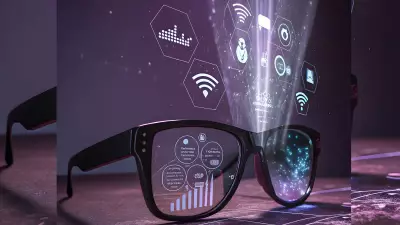
Samsung Galaxy Glasses Leak: Ray-Ban Meta Style with Gemini AI
Leaked details of Samsung's upcoming Galaxy Glasses show a design inspired by Ray-Ban Meta, integrating Google's Gemini AI for smart features. Expected launch in 2026.
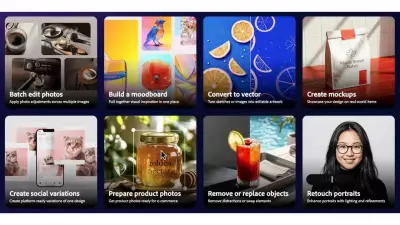
Adobe Firefly AI Assistant Now in Public Beta
Adobe's Firefly AI Assistant is now available in public beta, enabling users to create and edit content across Creative Cloud apps using natural language prompts.
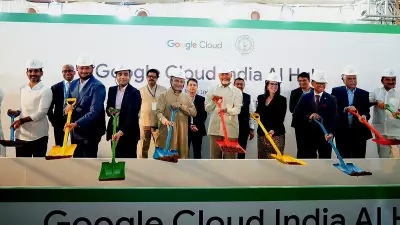
Google Breaks Ground on $15 Billion AI Hub in Andhra Pradesh
Google has begun construction on a $15 billion AI hub in Visakhapatnam, Andhra Pradesh, featuring India's first gigawatt-scale AI data center campuses.
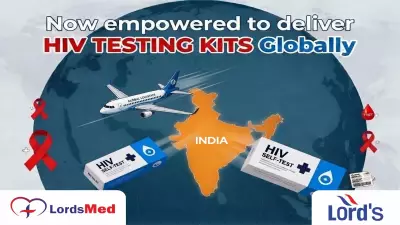
Lords Mark Joins Elite Nine in HIV Diagnostics
Lords Mark has secured a global milestone in HIV diagnostics, becoming one of only nine companies worldwide with WHO prequalification for HIV rapid tests, enhancing access in low-resource settings.
