

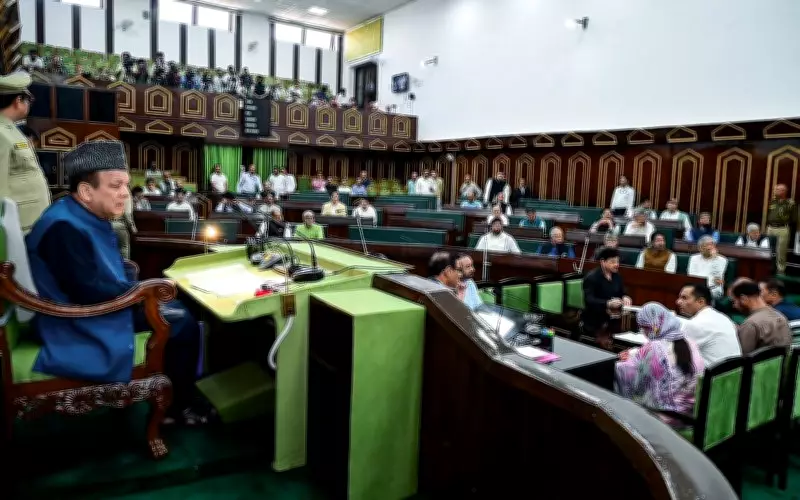
Jammu and Kashmir Speaker Calls for Legislative Action Against Fake News
In a significant move to address the growing menace of misinformation, Jammu and Kashmir Assembly Speaker Anayat Ali has formally requested the government to draft a comprehensive bill aimed at combating fake news. This directive comes amid rising concerns over the detrimental effects of false information on public order, social harmony, and effective governance in the region.
Speaker's Directive to the Government
Speaker Anayat Ali emphasized the urgent need for legislative measures to curb the spread of fake news, which he described as a serious threat to societal stability. He has instructed the relevant government departments to initiate the process of creating a draft bill that will outline specific provisions and penalties for those found guilty of disseminating false information.
The speaker highlighted that fake news not only misleads the public but also undermines trust in institutions and can incite violence or unrest. He stressed that a robust legal framework is essential to protect citizens from the harmful consequences of misinformation, ensuring that truth and accuracy prevail in public discourse.

Impact on Society and Governance
The proliferation of fake news has been linked to various social and political issues in Jammu and Kashmir, including the spread of rumors that have led to panic and conflict. By advocating for this bill, the speaker aims to foster a more informed and responsible media environment, where factual reporting is prioritized over sensationalism.
This initiative aligns with broader efforts to enhance digital literacy and promote ethical journalism in the region. The proposed legislation is expected to include mechanisms for verifying information and holding perpetrators accountable, thereby reducing the incidence of fake news and its associated risks.
Next Steps and Implementation
Following the speaker's directive, the government is now tasked with drafting the bill, which will likely undergo review and discussion in the legislative assembly before potential enactment. Stakeholders, including media organizations and civil society groups, may be consulted to ensure that the bill balances the need for regulation with freedom of expression.
Key aspects of the draft bill are anticipated to focus on defining fake news, establishing penalties for offenders, and creating awareness campaigns to educate the public about identifying and avoiding misinformation. The success of this measure will depend on effective enforcement and collaboration between authorities, media, and the community.
As Jammu and Kashmir moves forward with this legislative proposal, it sets a precedent for other regions grappling with similar challenges, demonstrating a proactive approach to safeguarding democratic values and social cohesion in the digital age.






