

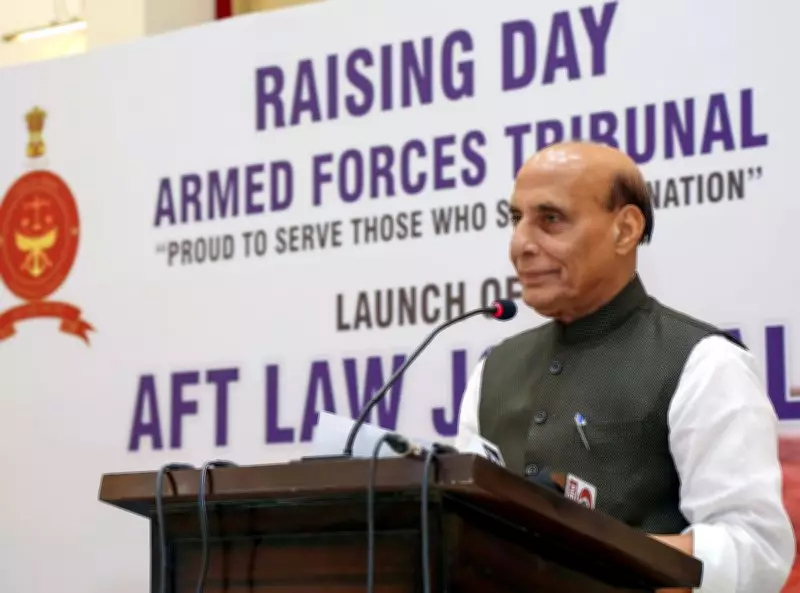
Severe Operational Crisis Grips Armed Forces Tribunal
The Armed Forces Tribunal (AFT), a specialized judicial body established to adjudicate disputes and grievances of military personnel and veterans, is currently grappling with a profound operational crisis. This crisis stems from two primary and interconnected issues: a critical deficiency in the number of appointed judges and the tribunal's inherently inadequate statutory powers. These systemic shortcomings are severely hampering its ability to function effectively, resulting in significant delays and a mounting backlog of cases.
Critical Shortage of Judicial Officers
A major factor crippling the AFT's efficiency is the stark shortage of judges. The tribunal is mandated to have a chairperson and a substantial number of judicial and administrative members to handle its caseload across various benches in India. However, numerous positions remain vacant for extended periods. This understaffing forces the existing judges to manage an overwhelming number of cases, far exceeding a manageable workload.
The consequence is inevitable: hearings are frequently adjourned, cases are delayed for years, and the disposal rate falls drastically behind the rate at which new petitions are filed. For retired and serving defence personnel seeking redressal for issues related to pensions, promotions, service matters, and disciplinary actions, this translates into an agonizing wait for justice, often stretching beyond a decade in some instances.

Inherent Limitations in Statutory Powers
Compounding the problem of understaffing is the tribunal's limited legal authority. Unlike some other judicial bodies, the AFT suffers from a lack of adequate powers to enforce its own orders and judgments effectively. This weakness is a fundamental flaw in its design.
For instance, the AFT does not possess contempt powers similar to those of a high court. If government departments or military authorities fail to comply with an AFT order, the tribunal has limited recourse to ensure implementation. It often must rely on the concerned parties' goodwill or initiate separate proceedings in a high court, which further prolongs the resolution process and defeats the purpose of having a dedicated, expedient tribunal.
Furthermore, its jurisdiction and powers to grant certain interim reliefs or handle specific categories of disputes are sometimes contested or seen as restrictive, limiting its effectiveness as a comprehensive forum for military justice.
Impact: Massive Backlog and Eroded Faith
The combined effect of too few judges and too little power is a system in distress. The case backlog across various AFT benches has swelled into the tens of thousands. Each pending case represents a personal story of a soldier, sailor, airman, or veteran awaiting closure on matters critical to their livelihood, dignity, and post-service life.
This operational paralysis risks eroding the faith of the armed forces community in the very institution created to serve them. Delays in pension disputes, for example, can cause severe financial hardship for elderly veterans. The situation calls for urgent structural and legislative intervention to empower the tribunal and ensure it is fully staffed, enabling it to deliver timely justice as intended.






