Karnataka High Court Rules on Lingayat and Ganiga Identity Overlap
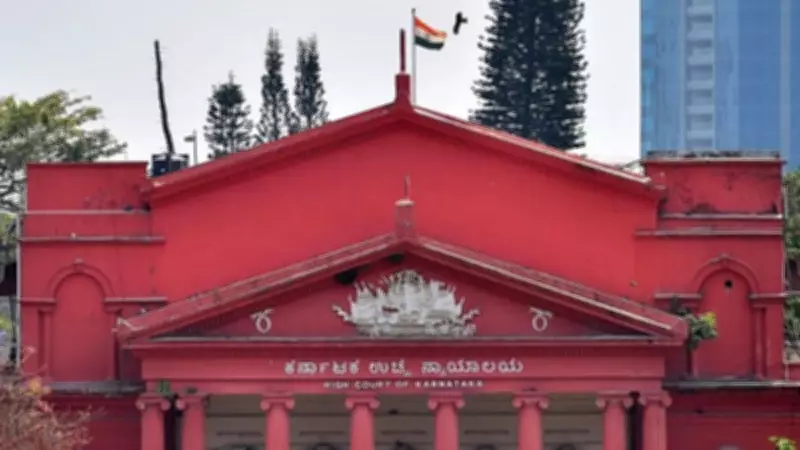
The Karnataka High Court has delivered a significant judgment clarifying the relationship between Lingayat and Ganiga identities, stating they are not mutually exclusive. This ruling addresses a longstanding issue in the state's social and legal landscape, providing clarity on community classifications.
Court's Decision on Ancestral Records and Identity Proof
In its ruling, the court held that an individual described as 'Lingayat' in ancestral records may, upon providing sufficient evidence, establish a Ganiga identity within that broader community framework. This decision underscores the fluid and overlapping nature of these identities, which have often been subject to rigid interpretations in legal and administrative contexts.
The judgment emphasizes that proof of identity must be substantiated through documented evidence, such as historical records, family lineage, or other verifiable means. This approach aims to prevent arbitrary claims while acknowledging the complex social realities of Karnataka's diverse communities.

Implications for Community Recognition and Legal Proceedings
This ruling is expected to have far-reaching implications for various legal and administrative processes in Karnataka. It may affect cases related to:
- Reservation policies and benefits tied to community identity.
- Documentation for government schemes and entitlements.
- Historical and genealogical research into family backgrounds.
By recognizing that Lingayat and Ganiga identities can coexist, the court has moved away from binary classifications, promoting a more nuanced understanding of community affiliations. This could lead to fewer disputes over identity claims in courts and administrative offices.
Background and Context of the Case
The case likely stemmed from petitions or legal challenges where individuals sought recognition of their Ganiga identity despite being recorded as Lingayat in official documents. Such scenarios are common in India, where ancestral records sometimes do not fully capture the multifaceted nature of community identities.
Karnataka has a rich history of diverse communities, with Lingayats being a prominent religious and social group, and Ganigas traditionally associated with oil-pressing occupations. The court's decision reflects an effort to balance historical accuracy with contemporary social dynamics, ensuring that legal frameworks adapt to evolving understandings of identity.
This judgment aligns with broader trends in Indian jurisprudence that increasingly consider social and historical contexts in identity-related cases. It highlights the judiciary's role in interpreting laws in ways that respect cultural complexities.
Future Outlook and Community Response
Legal experts anticipate that this ruling will set a precedent for similar cases across Karnataka and possibly other states with analogous community dynamics. It may encourage more individuals to seek clarifications on their identity status, leading to increased legal activity in this area.
Community leaders and stakeholders are likely to welcome this decision as it provides a clearer pathway for identity recognition without forcing individuals into rigid categories. However, it also places a responsibility on claimants to provide robust evidence, which could be challenging for those with limited access to historical records.
In conclusion, the Karnataka High Court's ruling marks a progressive step in acknowledging the layered nature of social identities in India. By affirming that Lingayat and Ganiga are not mutually exclusive, it fosters inclusivity and accuracy in legal and administrative practices, benefiting countless individuals navigating identity issues in the state.