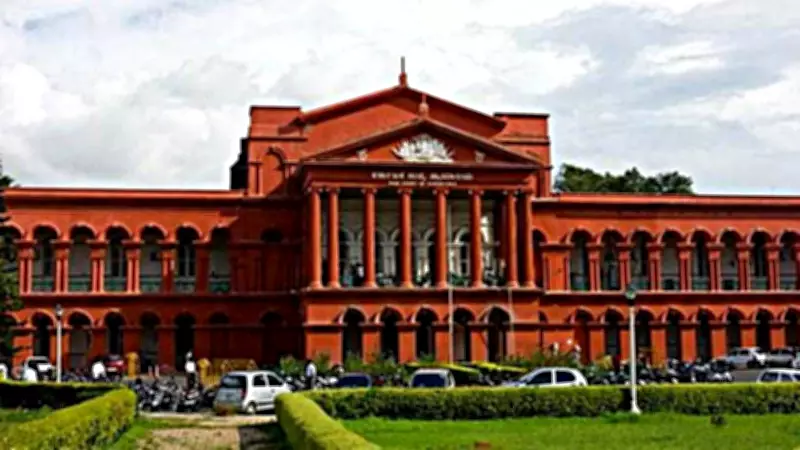
Karnataka High Court Clarifies Sovereign Rights in Visa Matters
The Karnataka High Court has delivered a significant ruling stating that foreign nationals possess no legal entitlement to insist on the issuance or renewal of an Indian visa. In a landmark judgment, the court emphasized that the Union government is not obligated to provide any explanation when cancelling a visa issued to a foreigner.
Constitutional Rights Limited to Citizens
A division bench comprising Chief Justice Vibhu Bakhru and Justice C M Poonacha, in an order passed recently, clarified that the rights under Article 19(1)(d) and 19(1)(e) of the Constitution of India—which guarantee the right to move freely throughout the country and the right to reside and settle in any part—are exclusively available to Indian citizens and not to foreigners.
The bench explicitly stated, "The right to decline a grant or extension of a visa is clearly an unfettered sovereign right, and it is not necessary for the State to provide any explanation for denying a visa."
Case Background: Nigerian Nationals' Appeal
The ruling came in response to an appeal filed by two Nigerian nationals, Obinna Jeremiah Okafor and John Adekwagh Vandefan. They had challenged a single-judge bench order dated August 14, 2025, which rejected their petitions seeking release from a foreigners' detention centre and extension of their student visas.
Advocate Remmy C Igwe, representing the appellants, argued that the authorities' actions—including issuing a movement restriction order in February 2024 and detaining them before their visa expiration—violated Articles 14 and 21 of the Constitution. He further contended that the principles of natural justice were not followed before cancelling their visas.
Court's Stance on Sovereign Discretion
Deputy Solicitor General Shanthi Bhushan H opposed the appeal, asserting that the central government holds absolute and unfettered discretion to expel foreigners from India. The bench acknowledged this position, noting that while allegations against the appellants—such as drug peddling, impersonation, and discrepancies in their stay location—raised doubts about their status as bonafide students, they did not conclusively prove unlawful activity.
The court made it clear that the Foreigners Regional Registration Office (FRRO) is not required to conduct a detailed enquiry to prove unlawful activity before initiating expulsion proceedings.
Procedural Aspects and Dismissal
Interestingly, the court accepted that authorities should have informed the Nigerian nationals of the reasons for visa cancellation and granted them an opportunity to submit a representation. However, this issue was not examined in detail, as the appellants' visas would have expired due to the passage of time regardless.
Ultimately, the bench dismissed the appeal, holding, "We are unable to accept that the appellants have any right to secure a visa, or an extension thereof, or to continue residing in the country after their visas have been cancelled."
Implications for Foreign Nationals in India
This ruling reinforces the sovereign authority of the Indian government in immigration matters, highlighting that visa issuance and renewal are privileges, not rights, for foreign nationals. It sets a precedent that may impact future cases involving visa cancellations and detentions, particularly in scenarios where allegations of misconduct arise.
The decision underscores the importance of adhering to visa conditions and maintaining lawful status while in India, as authorities retain broad discretion in enforcement actions without mandatory explanations.