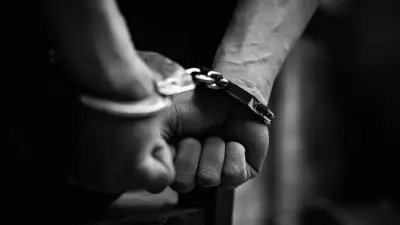
In a significant ruling that strongly denounced the exploitative practice of 'casting couch', the Kerala High Court has granted bail to a film director accused of molesting an aspiring actress. The court, however, imposed a set of rigorous conditions to ensure his cooperation with the ongoing investigation.
Court's Stern Condemnation of Exploitation
Justice Jobin Sebastian, presiding over the bail plea, delivered a powerful message against the malpractice prevalent in the entertainment industry. The judge stated that such offences, which exploit the professional aspirations of individuals for sexual gratification, represent a "serious affront to the dignity of women" and must be dealt with by the courts using a "heavy hand".
The case involved allegations that the director lured the complainant, an aspiring actress, into a room under the false pretext of discussing a film script featuring a prominent actor. It was alleged that he then wrongfully restrained her and physically molested her. The court termed the specific allegations as a "matter of grave concern".

Rationale Behind Granting Bail
Despite the severe observations on the nature of the crime, the High Court decided to grant bail in its order dated December 30. The court noted that the accused had been in judicial custody since December 3 and that the investigation had already crossed its "major and crucial stages".
The bench reasoned that further incarceration would not serve any useful purpose at this juncture. Instead, it held that the "presence and cooperation" of the accused could be secured by enforcing stringent bail conditions.
The Stringent Bail Conditions Imposed
To ensure the director does not influence the investigation or the victim, the court laid down a strict set of terms for his release. The key conditions include:
- Appearing before the investigating officer every Monday for three months or until the final report is filed.
- Executing a personal bond of Rs 50,000 with two solvent sureties.
- Strictly avoiding any direct or indirect contact with the complainant and not attempting to intimidate, influence, or tamper with evidence.
- Surrendering his passport before the concerned court within seven days of release, or filing an affidavit if he does not hold one.
- Not committing any offence while out on bail.
The court explicitly warned that if the director violates any condition, the investigating officer is at liberty to seek cancellation of his bail. The concerned court would then be free to pass appropriate orders, notwithstanding the fact that bail was granted by the High Court.
This ruling underscores the judiciary's tough stance on sexual exploitation in professional settings while balancing the legal principles of bail. The case highlights the ongoing challenge of casting couch practices within the film industry and the legal system's role in addressing them.