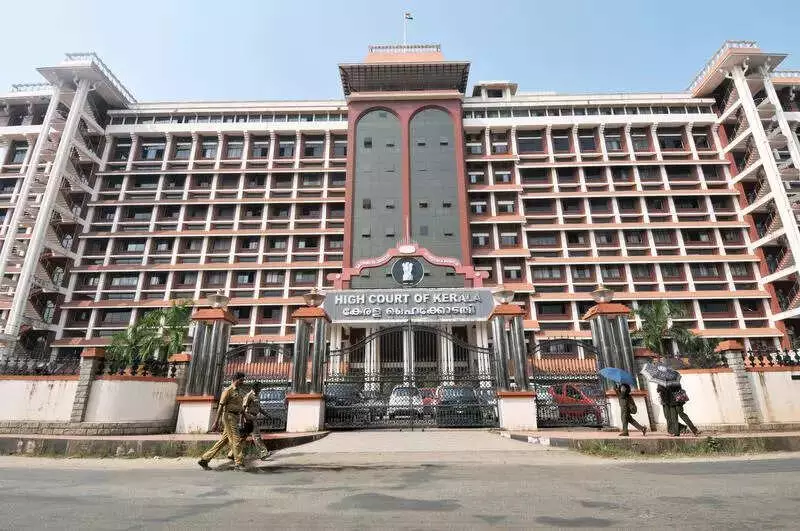
Kerala High Court Rebukes Thiruvananthapuram Corporation Over Inaction on Illegal Flex Boards
The Kerala High Court, sitting in Kochi, delivered a stern rebuke to the Thiruvananthapuram Municipal Corporation on Friday for its persistent inaction in addressing the rampant illegal installation of flex boards and banners across the city's pedestrian footpaths. The court's sharp criticism underscores a growing public nuisance that severely impedes the rights and safety of pedestrians.
Court's Scathing Observations on Blocked Footpaths
Justice Devan Ramachandran, while hearing a review petition, expressed deep frustration with the corporation's failure to comply with previous court orders. The petition had sought directions for the state government to explain its non-compliance regarding the removal of illegal boards, banners, flags, and festoons from public spaces, along with stringent action against violators.
Upon reviewing a report submitted by the amicus curiae, the court made a pointed oral observation. It noted that footpaths throughout Thiruvananthapuram are completely blocked by these unauthorized advertisements, causing severe hindrance to pedestrians. The court remarked that this situation reflects an arrogant attitude among those responsible for the installations. In a sarcastic tone, the bench suggested that it might be better to officially shut down all footpaths and allocate the space solely for placing advertisement flex boards, highlighting the absurdity of the current state of affairs.

Corporation's Response and Court's Firm Stance
During the proceedings, counsel for the Thiruvananthapuram corporation assured the court that the corporation secretary would immediately investigate the issue and file a response detailing the actions taken against those responsible for the illegal installations. However, the court emphasized that mere assurances are insufficient. It insisted that concrete steps must be taken to ensure pedestrians' rights are not violated, stressing that the situation demands urgent and effective intervention.
The court also linked this issue to the broader concept of 'Nava Kerala' (New Kerala), a vision for progressive governance and civic responsibility. It observed that this concept should not remain a theoretical ideal on paper but must be actively reflected in the mindset and actions of all citizens, including authorities and perpetrators alike. The bench further noted that necessary steps must be taken unfailingly and without bias, regardless of external influences or affiliations.
Court Directives and Next Steps
To ensure accountability, the court directed the corporation to file a detailed report containing specific information. This report must include:
- The number of illegal flex boards and banners identified across the city.
- The precise actions taken against violators, including removal procedures.
- The fines imposed on those responsible for the illegal installations.
As the corporation requested additional time to compile and submit this comprehensive report, the bench adjourned the petition to next week. This adjournment provides a brief window for the authorities to demonstrate their commitment to resolving this pressing civic issue.
The court's firm stance highlights a critical urban governance challenge in Kerala, where illegal advertisements continue to encroach on public spaces, undermining pedestrian safety and the aesthetic environment. The outcome of this case could set a precedent for stricter enforcement of civic regulations in cities across the state.