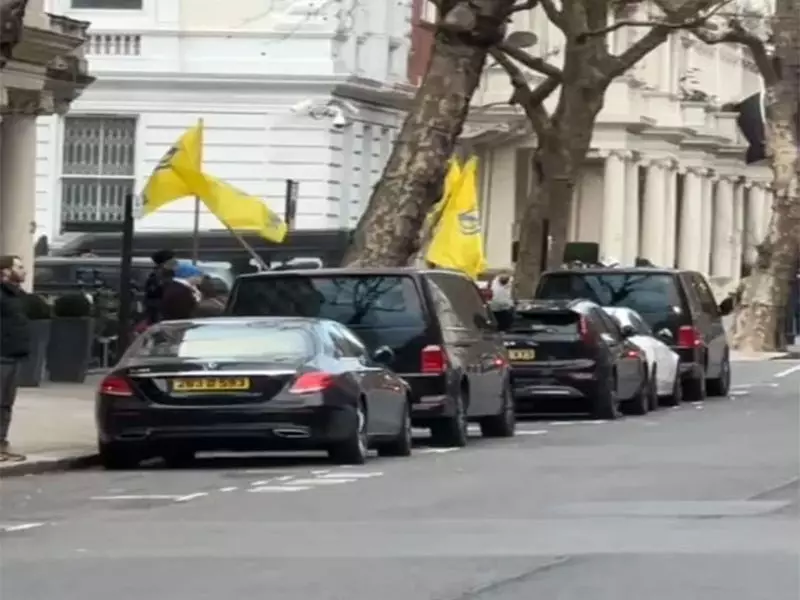
In a development highlighting complex diaspora dynamics, a group of pro-Khalistan activists staged a rally in London, expressing solidarity with Bangladesh. This event came in the direct aftermath of separate demonstrations held by members of the Hindu community in the UK capital.
Sequence of Events in London
The timeline of protests began with members of the Hindu community gathering in London. While the specific grievances of this initial protest were not detailed in the source report, it set the stage for a counter-demonstration. Shortly after, activists affiliated with the Khalistan movement organized their own gathering.
This pro-Khalistan rally was explicitly framed as an act of support for Bangladesh. Participants voiced their backing for the South Asian nation, creating a visible political statement in the heart of the United Kingdom. The location of these events, central London, ensured significant public and media visibility.

Diaspora Politics and International Ramifications
The back-to-back protests underscore the manner in which domestic political and social issues from the Indian subcontinent are actively mirrored and contested within diaspora communities abroad. London, with its large and diverse South Asian population, often serves as a key arena for such expressions.
The alignment of pro-Khalistan elements with Bangladesh in this context is a notable feature of the event. It points to the evolving and sometimes shifting alliances within diaspora politics, where groups may find common cause on specific issues despite differing overarching objectives.
The occurrence of these rallies is likely to be monitored closely by diplomatic channels, given their potential to influence bilateral perceptions. Protests in major global cities like London carry symbolic weight and can impact international discourse.
Broader Context and Implications
This incident is not an isolated one. It fits into a pattern of diaspora groups in Western nations using the right to peaceful assembly to voice opinions on matters related to their countries of origin. These activities often reflect and amplify ongoing debates and tensions from back home.
The response from local UK authorities and the policing of such demonstrations will be of interest, as they balance rights to free speech with community harmony. Furthermore, the reporting of these events in Indian and international media shapes public understanding of the issues at play.
For observers of Indian foreign policy and diaspora relations, such events serve as a barometer for overseas sentiment and activism. They highlight how transnational networks can mobilize quickly around specific causes, creating diplomatic and community relations considerations for multiple governments, including those of India, the UK, and Bangladesh.
In conclusion, the London rallies represent more than just a single day of protest. They are a manifestation of the deep-seated and interconnected political narratives that travel with diaspora communities, playing out on an international stage and contributing to the complex tapestry of global Indian and South Asian politics.