Senior Maoist Commander's Surdeal Tightens Pressure in Bastar, Insurgency Structure Crumbles
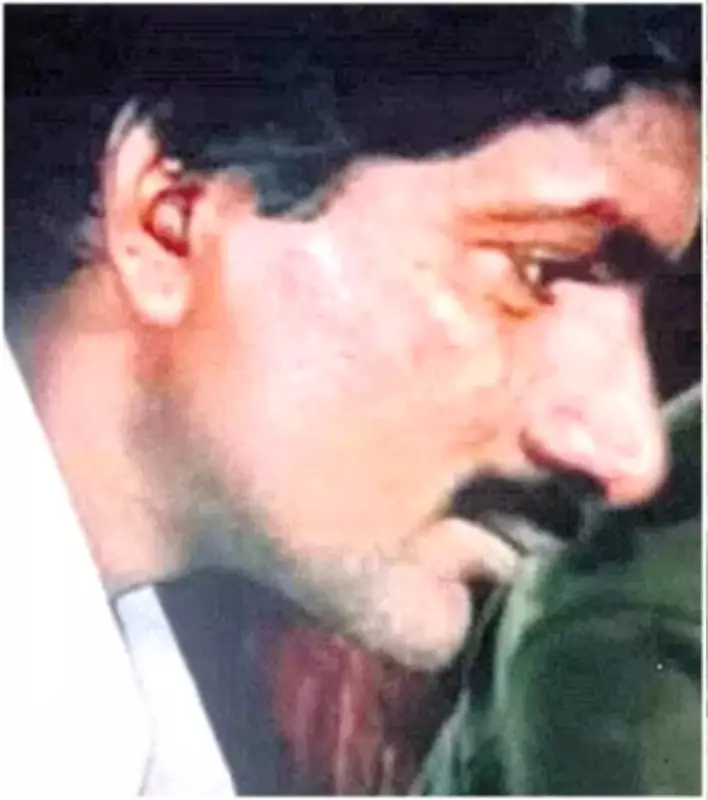
The surrender of senior Maoist commander Tippiri Tirupati, widely known as Devji, on Sunday has significantly tightened the pressure gauge in Chhattisgarh's volatile Bastar region. Security agencies are interpreting this development as a direct and powerful hit on the insurgency's last remaining armed pockets, compelling them to consider the exit route before the Central government's deadline of March 31 to eliminate Maoist presence.
Devji's Surrender and Operational Impact
Devji, who laid down his arms before Telangana police along with several senior cadres, maintained strong operational links to Bastar and was associated with some of the most lethal phases of the long-running insurgency. His involvement included attacks that resulted in substantial casualties among security personnel. With a bounty of approximately ₹1.5 crore in Chhattisgarh, Devji stands among the last influential faces in the Maoist top leadership, following recent significant setbacks to the insurgent hierarchy.
A CRPF officer provided critical insights, stating, "For security forces, targets and operations are now even more clearer — there are no large formations, no strong central leadership left." The officer elaborated that most remaining Maoist cadres are now confined to south Bastar, operating in small clusters of 10 to 15 fighters each under mid-level commanders.

Remaining Leadership and Structural Breakdown
The officer detailed the dwindling leadership, noting, "Only a handful of names from Chhattisgarh remain, like DVCM Hemla Vijja, special zonal committee member Papa Rao, and Sodi Kesa, who was deputy of Barse Deva and is deputy of PLGA. His last location was found in Bijapur." Additional figures include some divisional commanders in south and west Bastar, along with one or two central committee members operating outside the state. The officer emphasized, "The structure is no longer cohesive," highlighting that Vijja is an IED expert reportedly actively planting bombs on Karegutta hills despite consistent security operations.
Security officials estimate that only about 200 armed Maoist cadres remain, scattered across various parts of Bastar and operating in isolated small pockets. The once-formidable Maharashtra–Madhya Pradesh–Chhattisgarh (MMC) zone has been completely dismantled, and Maoist presence has been largely wiped out from north Bastar and the Marh division.
Psychological Fallout and Accelerated Exits
Another officer pointed to a significant psychological fallout within Maoist ranks. "Many Telangana-based senior leaders have surrendered, leaving local cadres exposed, while their main area of activities and violence was majorly confined to Chhattisgarh, carried out with the assistance of tribal cadres. That creates a sense of abandonment among lower rank Maoists," he explained. Officials believe Devji's surrender may accelerate exits among mid-rung cadres who face the highest operational risks in the current security environment.
Ground Operations and Persistent IED Threat
On the ground, security operations in the most difficult belts, such as the Karregutta hills, have almost disallowed inter-state movement of cadres or camping in the densest hideouts. However, security agencies continue to grapple with the biggest remaining challenge: improvised explosive devices (IEDs). These devices pose the most persistent and deadly threat, particularly in hill-and-jungle terrain like Karregutta, where Maoists have historically relied on buried explosives to deny access and slow troop movement.
Many of these IEDs remain planted in layers and can stay lethal long after the leadership collapses, making the final phase of operations exceptionally risky despite shrinking direct encounters. This danger was underscored on Monday when an STF jawan was injured in an IED blast during an area domination operation by security forces in south Bijapur. A joint team was conducting an anti-Maoist exercise in the southern part of Bijapur district on KGF hills when a pressure IED planted by Maoists detonated, leading to the jawan's immediate evacuation for treatment.

The ongoing struggle against IEDs highlights that while the Maoist structure is crumbling, the operational hazards remain acute, demanding continued vigilance and sophisticated countermeasures from security forces in the region.