

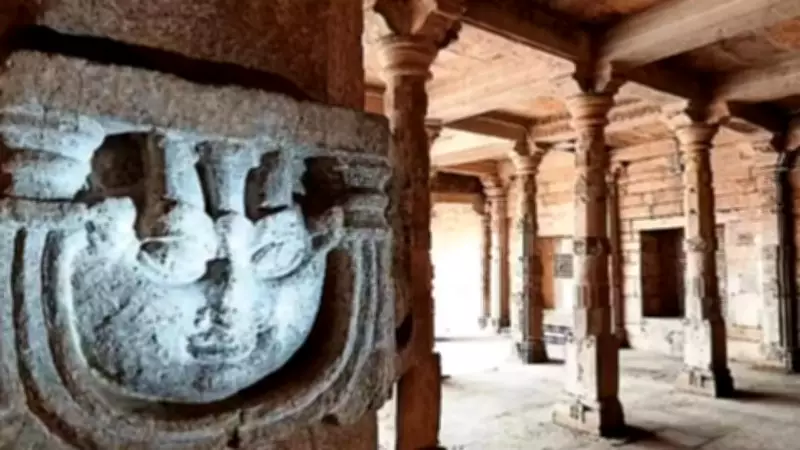
MP High Court to Conduct On-Site Inspection of Bhojshala-Kamal Maula Mosque Ahead of Crucial Hearing
A division bench of the Madhya Pradesh High Court, comprising Justice Vijay Kumar Shukla and Justice Alok Awasthi, has announced a significant move to personally visit the Bhojshala-Kamal Maula Mosque in Dhar district. This inspection is scheduled to occur before the next court hearing, which is set for April 2, 2024.
Court to Visit Site Without Parties Present
In a directive issued on Monday, the court proposed the site visit, emphasizing that it will be conducted exclusively by the judicial bench. Neither the petitioners nor the respondents will be allowed to accompany the court during this inspection. Justice Shukla clarified the intent behind this decision, stating, "Before the next date, this court will visit the site. But only the court will visit. And parties are not allowed. Just that we would like to see the site, looking into this all disputes etc. We will fix a date. But neither the petitioner nor the respondent will be present; it will be visited by the court."
Focus on ASI Report and Intervening Applications
The upcoming hearing on April 2 is poised to examine suggestions and objections related to the Archaeological Survey of India (ASI) report. This report is based on a comprehensive 98-day survey conducted at the disputed monument. In compliance with a Supreme Court order dated January 22, 2024, all parties have been directed to file their objections and suggestions regarding the ASI findings prior to the hearing.

Additionally, the court has granted a 'right to audience' for several intervening applications. These interveners will be heard during the next hearing and will be permitted to submit relevant documents and affidavits, adding further depth to the legal proceedings.
Background and Significance
The Bhojshala-Kamal Maula Mosque has been a subject of longstanding dispute, with historical and religious claims from multiple communities. The ASI survey was initiated to provide an archaeological perspective on the site's heritage. The High Court's decision to conduct an on-site inspection underscores the complexity and sensitivity of the case, aiming to gather firsthand insights before deliberating on the legal arguments.
This move is expected to play a crucial role in the court's assessment, as it seeks to balance archaeological evidence with the diverse claims surrounding the monument. The inspection and subsequent hearing are anticipated to be pivotal steps in resolving the contentious issue.






