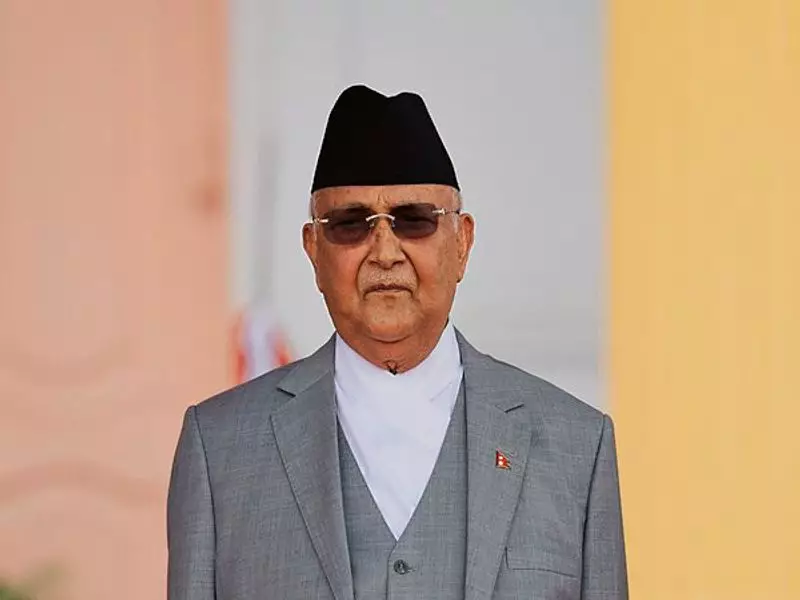
In a significant development, Nepal's High-Level Investigation Commission for Cooperative Fraud has officially removed travel restrictions imposed on former Prime Minister KP Sharma Oli. The decision allows the veteran political leader to travel abroad, a move that comes amidst a sprawling probe into a massive financial scandal.
Commission Reverses Its Earlier Order
The commission, led by Chairman Dilliram Acharya, issued a formal notice on Sunday, May 19, 2024, stating the revocation of the travel ban against Oli. This action reverses the commission's own order from May 9, which had prohibited Oli and 67 other individuals from leaving the country. The restriction was part of the investigation into the alleged embezzlement of billions of rupees from cooperative funds.
The commission clarified that the ban was lifted after Oli submitted a written commitment to appear before the investigative body whenever required. This assurance was deemed sufficient to ensure his cooperation with the ongoing probe, making the travel restriction unnecessary.
Context of the Investigation and Political Reactions
The investigation centers on a colossal financial scandal involving numerous cooperatives. It is alleged that influential politicians, bureaucrats, and business leaders colluded to siphon off deposits belonging to ordinary citizens. The commission has been empowered with broad authority to investigate, summon individuals, and freeze assets related to the case.
Oli's inclusion in the initial travel ban list had sent shockwaves through Nepal's political landscape. As the chairman of the CPN-UML party and a former head of government, his direct implication in the probe was seen as highly consequential. His party and supporters had criticized the ban, labeling it as politically motivated.
The commission's decision follows a hearing where Oli's representatives argued for the removal of the restriction. Chairman Acharya emphasized that the commission's primary goal is to investigate the fraud thoroughly, not to unduly harass individuals. The lifting of the ban is conditional on Oli's continued cooperation.
Implications and the Path Forward
The lifting of the travel ban on KP Sharma Oli marks a pivotal moment in the high-profile investigation. It alleviates immediate legal pressure on the former PM but does not absolve him from the inquiry. The commission continues its work to unravel the complex web of the cooperative fraud, which has affected thousands of depositors.
This development is likely to influence the political dynamics within Nepal, where the scandal has become a major public issue. It demonstrates the commission's operational autonomy while also highlighting the challenges of investigating powerful political figures. The focus now shifts to the commission's next steps and whether its findings will lead to formal charges against any of the individuals under scrutiny.
Observers note that the commission's approach—imposing restrictions and then lifting them based on cooperation—sets a precedent for how it may handle other high-profile names on its list. The probe remains one of the most closely watched proceedings in Nepal's recent history, with citizens demanding accountability and the recovery of their lost savings.