Nepal Gears Up for National Assembly Elections to Elect 17 New Members
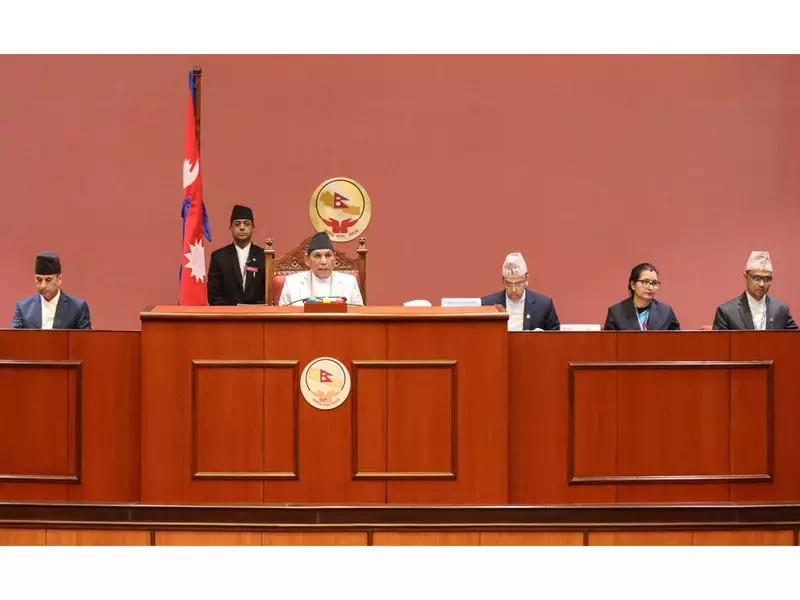
Nepal is poised to conduct significant elections to fill 17 vacant seats in the National Assembly, the upper house of the country's Parliament. This electoral process represents a pivotal moment in Nepal's ongoing democratic journey, as it aims to strengthen legislative representation and governance.
Details of the Upcoming Polls
The polls are scheduled to open soon, with the primary objective of selecting new members for the National Assembly. These 17 seats have become available due to various reasons, including the completion of terms and other vacancies that have arisen over time. The National Assembly plays a critical role in Nepal's bicameral legislature, alongside the House of Representatives, and is responsible for reviewing and amending legislation proposed by the lower house.
The election process is expected to involve a mix of electoral colleges and indirect voting mechanisms, as per Nepal's constitutional framework. Members of the National Assembly are typically elected by an electoral college comprising members of provincial assemblies and local government representatives, ensuring a broad-based representation from across the country's diverse regions.
Importance of the National Assembly in Nepal's Democracy
The National Assembly serves as a stabilizing force in Nepal's political system, with its members serving six-year terms. This structure is designed to provide continuity and balance in the legislative process, complementing the more frequently elected House of Representatives. The filling of these 17 seats is crucial for maintaining the full functionality and effectiveness of the upper house, which is essential for passing laws, overseeing government actions, and representing various interests within the nation.
This election comes at a time when Nepal continues to navigate its post-conflict political landscape, following the adoption of a new constitution in 2015. The successful conduct of these polls will reinforce democratic institutions and contribute to political stability in the region.
Broader Implications and Regional Context
The upcoming elections are not only significant for Nepal's internal politics but also have implications for its international relations and regional dynamics. As a key player in South Asia, Nepal's democratic processes are closely watched by neighboring countries and global observers. The smooth execution of these polls will demonstrate Nepal's commitment to democratic norms and governance, potentially enhancing its standing on the world stage.
In summary, the opening of polls for 17 new members of Nepal's National Assembly marks a vital step in the country's democratic evolution. It underscores the importance of robust legislative bodies in fostering governance and representation, setting the stage for continued political development in Nepal.