Noida Trench Tragedy: 80 Rescuers Watched as Techie Drowned, Exposing Emergency Response Gaps
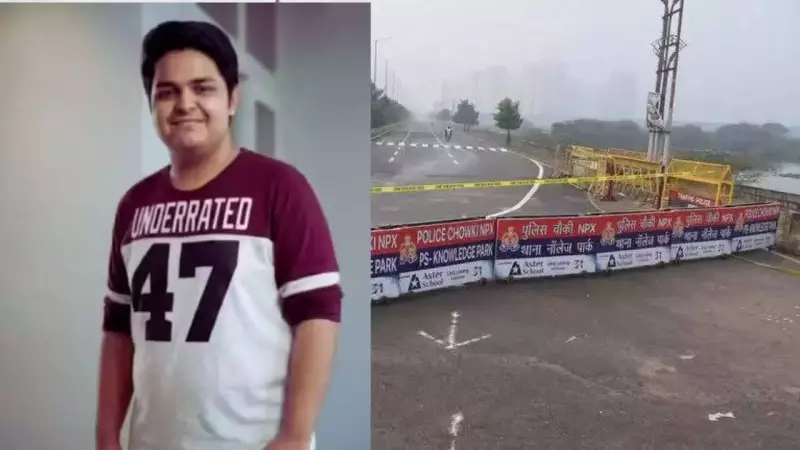
When a 27-year-old software engineer screamed for help while marooned in a waterlogged trench near his Noida residence last Friday night, clinging desperately to his slowly sinking car, multiple emergency agencies responded to his distress call. Yet, despite the presence of approximately eighty rescuers from various departments, Yuvraj Mehta tragically drowned, his desperate cries fading into the foggy night. This incident has sparked severe criticism and exposed what the victim's father, Raj Mehta, described as an "institutional failure" in India's emergency response mechanisms.
A Night of Failed Rescue Attempts
The sequence of events began when Raj Mehta received an SOS from his son and immediately alerted the police. A police response vehicle arrived within nine minutes of the 112 emergency call placed at 12:06 AM. Subsequently, the fire brigade, the State Disaster Response Force (SDRF), and eventually the National Disaster Response Force (NDRF) converged at the Sector 150 site. However, coordination was conspicuously absent.
Yuvraj Mehta, who did not know how to swim, managed to stay afloat until approximately 1:30 AM, frantically waving his phone's flashlight in a bid to attract attention. On a densely foggy night, visibility was severely compromised. Rescuers would have needed to wade no more than fifty meters to reach him, but only a passing delivery rider attempted to swim through the icy water. Thick fog and submerged iron rods from unfinished construction pillars made the trench treacherous.
Former Uttar Pradesh Director General of Police Vikram Singh echoed the family's anguish, stating, "It's nothing short of institutional collapse. The victim succumbed to the accident with so many onlookers unable to help, either due to lack of skill, lack of equipment, or lack of bravery."
Critical Gaps in First Responder Training
The tragedy has highlighted fundamental deficiencies in the training of first responders. Police personnel who initially reached the scene attempted rescue using ropes thrown into the water but did not enter. Amid public outcry, suggestions emerged that some responders lacked swimming skills, though training officials claim all inspectors and sub-inspectors receive swimming and disaster response training.
Former UP DGP OP Singh, who also served as NDRF director-general, noted, "First responders were absolutely unprepared to dive into deep waters. Here, even if personnel had the skill, willingness to jump into the water was not there, which is unfortunate." He emphasized that while police are trained for routine emergencies, this situation demanded specialized skills for deep-water rescue under adverse conditions.
Equipment Shortages and Protocol Failures
Another glaring issue was the lack of essential rescue equipment. Dial 112 police response vehicles carry standard tools like ropes, fire extinguishers, and first aid kits, but life jackets are notably absent. In urban areas where civic lapses create hazards like open drains and trenches, such equipment is crucial.
Vikram Singh argued, "A first responder is supposed to be fully geared with life jackets, life support systems, oxygen cylinders, and collapsible boats. If police responders did not have these, it is high time for a rethink." Experts suggest that big cities need specialized emergency response police cells with divers, welders, and firefighters for rapid intervention.
Fragmented Escalation Matrix and Leadership Void
The response apparatus suffered from operational silos. The fire department arrived about forty-five minutes after the accident, primarily equipped for firefighting and surface rescue, not underwater operations. SDRF teams, trained for such scenarios, did not dive in either, opting instead for a boat that took two hours to deploy due to obstacles.
NDRF reached nearly two hours later, reflecting a sluggish escalation process. While the automated alert system correctly notified police, fire, medical services, and SDRF, ground coordination failed miserably. OP Singh pointed out, "There was no single chain of command. Had a senior official taken charge, there would have been better coordination and quicker response."
Calls for Systemic Overhaul
This incident underscores the urgent need to strengthen state-level disaster response capabilities. With only fifteen NDRF teams nationwide, reliance on central forces is impractical for local emergencies. Former bureaucrats suggest that District Disaster Management Authorities (DDMAs) must exercise their powers under the Disaster Management Act to maintain trained personnel and equipment at the district level.
Colonel Inderjit Singh, with twenty-five years of Army experience, proposed replicating military protocols: "Cities should have a 'nodal point' for emergencies that can coordinate with all agencies and give clear instructions. If the Army can do it, why can't it be replicated under local police or DDMA? After all, the aim is to save lives."
The Noida trench tragedy serves as a grim reminder that without comprehensive training, proper equipment, and unified command structures, even the most well-intentioned rescue efforts can falter, costing precious lives.