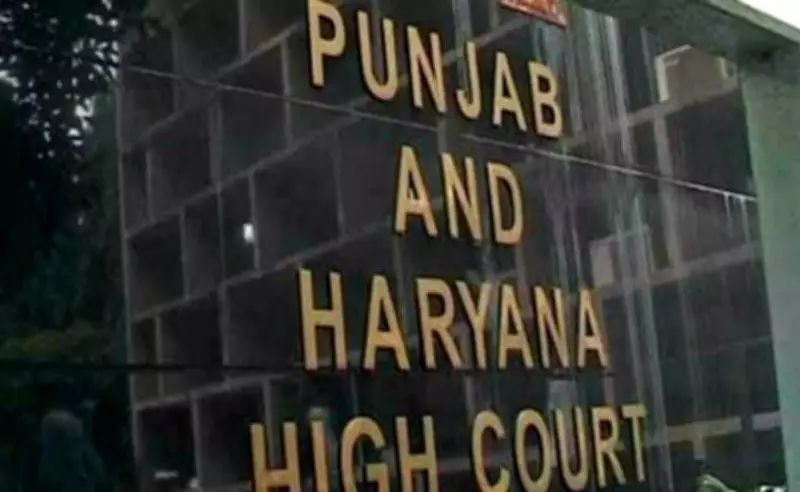
The Punjab and Haryana High Court on Wednesday dismissed a batch of petitions seeking to halt the ongoing civic election process in Punjab, observing that the challenge over the use of Electronic Voting Machines (EVMs) versus ballot papers was raised too late in the day. The court refused to interfere with the election schedule, stating that the petitions lacked merit at this advanced stage.
Background of the Case
The petitioners had argued that the use of EVMs was fraught with risks of manipulation and demanded that the elections be conducted using traditional ballot papers. They cited concerns about the security and transparency of EVMs, claiming that the machines could be tampered with to influence results. However, the court noted that the election process was already underway, with nominations filed and campaigning in progress, making it impractical to change the voting method at this juncture.
Court's Reasoning
A division bench comprising Justice Sureshwar Thakur and Justice Sudeepti Sharma emphasized that the plea was belated. The court stated that any challenge to the use of EVMs should have been raised well before the election schedule was announced. The judges remarked that halting the process mid-way would cause administrative chaos and disenfranchise voters. They also pointed out that the Election Commission of India has repeatedly defended the reliability of EVMs, which have been used in numerous elections across the country.

Impact on Civic Elections
The civic polls in Punjab are being held for municipal corporations and councils across the state. The court's decision allows the election process to continue as per schedule, with voting likely to take place in the coming weeks. The petitioners, including some political parties and activists, expressed disappointment but said they would explore other legal avenues. The state government had opposed the petitions, arguing that EVMs are secure and that any change would disrupt the electoral timeline.
Previous Legal Challenges to EVMs
This is not the first time EVMs have faced legal scrutiny. In the past, the Supreme Court has upheld the use of EVMs, subject to certain safeguards like Voter Verified Paper Audit Trail (VVPAT) systems. The Punjab High Court's ruling reinforces the finality of the election process once it has commenced. Legal experts suggest that the court's decision underscores the principle that elections should not be delayed except in exceptional circumstances.
In conclusion, the Punjab and Haryana High Court's refusal to halt the civic polls over the EVM versus ballot paper row highlights the importance of timely challenges in electoral matters. The court's stance ensures that the democratic process proceeds without interruption, while leaving room for broader debates on electoral integrity to be addressed through policy and legislative channels.