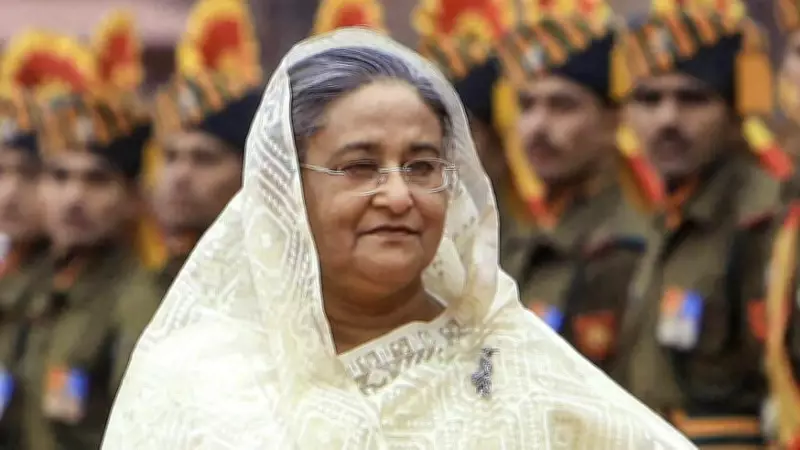
Bangladesh has formally initiated legal proceedings to secure the return of former Prime Minister Sheikh Hasina, who has been residing in India since August 2024. The move comes after her Awami League government was overthrown following a massive student-led uprising that swept the nation.
Legal Framework and Diplomatic Channels
Officials in Dhaka confirmed that the government is pursuing Hasina's extradition through established legal channels, emphasizing adherence to bilateral agreements and international law. The process involves coordination with Indian authorities to ensure a lawful and transparent procedure.
Background of the Political Crisis
Sheikh Hasina fled to India in August 2024 after widespread protests led by students and civil society groups brought down her 15-year rule. The uprising was fueled by allegations of corruption, human rights abuses, and authoritarian governance. Since then, Hasina has remained in India, reportedly under the protection of Indian security agencies.

Current Status of Legal Proceedings
Bangladesh's Attorney General stated that the government has submitted a formal request to India for Hasina's return, citing pending legal cases against her. The request includes charges related to corruption and crimes against humanity, which were filed after her departure. Indian officials have acknowledged receipt of the request and are reviewing it under their domestic laws and extradition treaties.
Reactions and Implications
The development has sparked mixed reactions in Bangladesh. Supporters of the current interim government view the move as a step toward accountability and justice. However, critics warn that the process could strain relations with India, a key regional ally. Hasina's supporters in India have condemned the extradition request, calling it politically motivated.
International Perspectives
Human rights organizations have urged both countries to ensure that any legal process adheres to international standards. The United Nations has offered to mediate if necessary, emphasizing the importance of due process and the rule of law. Meanwhile, neighboring countries are closely watching the situation, as it could set a precedent for handling ousted leaders in the region.
As the legal process unfolds, all eyes are on the diplomatic negotiations between Dhaka and New Delhi. The outcome will likely have significant implications for bilateral ties and the broader political landscape in South Asia.