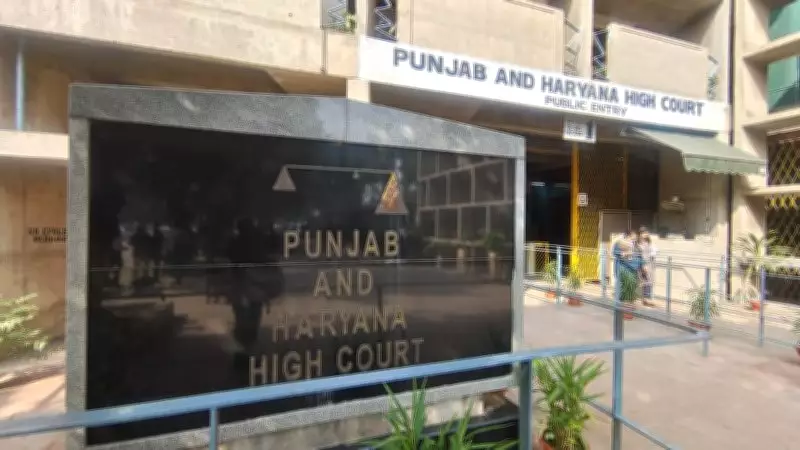
The Punjab and Haryana High Court has directed the state government to conduct a high-level review of police recruitment processes and manpower deployment, citing persistent delays in trials under the Narcotic Drugs and Psychotropic Substances (NDPS) Act. The court's intervention comes in response to a petition highlighting the slow pace of NDPS cases, which often languish for years due to inadequate police infrastructure and personnel shortages.
Court's Directive and Rationale
Justice Sureshwar Thakur, presiding over the case, emphasized that the delays undermine the effectiveness of the justice system and violate the rights of both victims and accused. The court noted that the shortage of police officers and the lack of specialized training for NDPS investigations are primary causes of the backlog. It has ordered the Director General of Police (DGP) to submit a comprehensive report within three months, detailing the current manpower status, recruitment timelines, and measures to expedite trials.
Impact on NDPS Trials
The NDPS Act, enacted to combat drug trafficking and abuse, requires swift and thorough investigation. However, data presented in court revealed that over 60% of NDPS cases in Punjab remain pending for more than two years. The court observed that the state's police force is overburdened with multiple responsibilities, leading to delayed forensic reports, missing witnesses, and incomplete charge sheets. The review is expected to identify gaps in the recruitment process and propose reforms to ensure timely justice.

Government's Response
Additional Advocate General for Punjab informed the court that the state has already initiated steps to fill vacant police posts, including the recruitment of 5,000 constables and 1,000 sub-inspectors. However, the court expressed dissatisfaction, stating that the pace of recruitment is insufficient to meet the demand. It directed the government to prioritize the creation of specialized NDPS investigation units and provide them with modern tools and training.
Broader Implications
Legal experts believe this ruling could set a precedent for other states grappling with similar issues. The High Court's emphasis on administrative accountability may push the Punjab government to streamline its recruitment process and allocate more resources to the police department. The review will also cover the use of technology in case management and the possibility of setting up fast-track courts for NDPS cases.
The next hearing is scheduled for August 2024, by which time the DGP's report is expected to be submitted. The court warned that failure to comply with the directive could result in contempt proceedings against senior officials.