Judicial proceedings at both benches of the Rajasthan High Court in Jaipur and Jodhpur faced significant disruption on Saturday as lawyers organized a widespread boycott of work. This protest action was a direct response to the recent administrative decision declaring two Saturdays every month as mandatory working days for the court.
Peaceful Protest Amidst Regular Court Lists
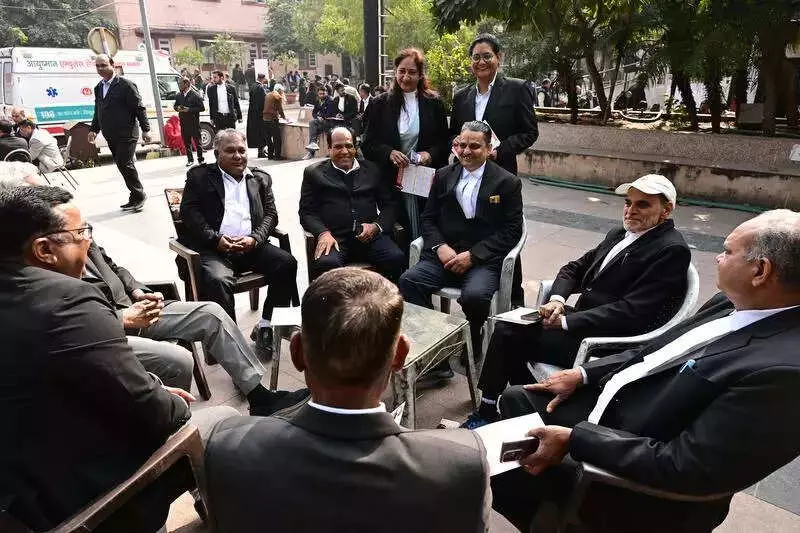
Despite the organized boycott, the High Court administration proceeded to issue regular cause lists for the day, indicating scheduled hearings and cases. Lawyers gathered in substantial numbers at the High Court premises in Jaipur, where they raised slogans and voiced their opposition in a peaceful and orderly manner. The demonstration was characterized by its non-violent nature, with participants clearly registering their dissent against the new working day policy.
Unified Bar Associations Lead Boycott
The boycott was not a spontaneous action but followed a joint call issued by three major bar associations representing lawyers across the state. These included the Rajasthan High Court Advocates' Association based in Jodhpur, the Rajasthan High Court Lawyers' Association also from Jodhpur, and the Rajasthan High Court Bar Association operating from Jaipur. This coordinated effort demonstrated remarkable unity within the legal fraternity of Rajasthan.
Bar association office-bearers were quick to clarify that the boycott was not enforced through any form of coercion or pressure tactics. Instead, they emphasized that it represented a collective decision voluntarily taken by advocates across both benches to protest what they perceive as an unfavorable policy change affecting their professional lives.
Professional and Personal Impacts Cited
Representatives from the bar associations articulated multiple concerns regarding the Saturday working days declaration. They argued that this policy adversely affects advocates' established professional routines, disrupts family life commitments, and creates an imbalance in their work-life equilibrium. The legal professionals expressed frustration that what was presented as a measure to expedite the disposal of pending cases was implemented without adequate consultation with those most affected.
Rajeev Sogarwal, President of the Rajasthan High Court Bar Association, stated emphatically, "The decision, taken in the name of expediting disposal of pending cases, was made without adequate consultation with the legal fraternity and could lead to practical difficulties." This sentiment echoed widely among protesting lawyers who feel excluded from decision-making processes directly impacting their profession.
Unanswered Objections and Future Action
Advocates participating in the boycott pointed out an additional grievance regarding procedural transparency. Although a committee of judges was constituted to examine lawyers' objections to the Saturday working policy, protesters noted that neither the committee's report has been made public nor has any subsequent decision been communicated to the legal community.
Looking ahead, the bar associations have announced plans for a joint meeting scheduled for January 27. This gathering will serve as a crucial platform to determine the future course of action regarding their protest. Lawyers will deliberate on whether to continue the voluntary boycott or explore alternative methods to press their demands for reconsideration of the Saturday working days policy.
The situation remains fluid as both the judiciary administration and legal practitioners navigate this disagreement. The outcome of the January 27 meeting could significantly influence judicial functioning patterns at Rajasthan's High Court benches in the coming months, potentially setting precedents for how such administrative decisions are implemented in consultation with legal professionals.