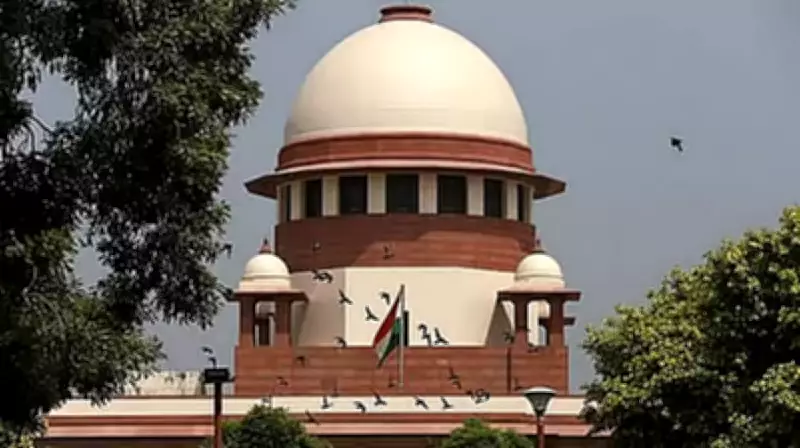
The Supreme Court of India has reiterated that the right to protest is a fundamental right under the Constitution, but it must be exercised within the bounds of law and without disrupting public order or causing inconvenience to the common man. A bench of the apex court made the observation while hearing a petition related to protests and their impact on public life.
Court's Observation on Protests
The court emphasized that while every citizen has the right to assemble peacefully and express dissent, such activities cannot be allowed to disturb the normal life of others or threaten law and order. The bench noted that protests must be conducted in designated areas and in a manner that does not block roads, disrupt traffic, or create chaos.
Balancing Rights and Responsibilities
The Supreme Court highlighted the need to balance fundamental rights with the duties of citizens. It stated that the right to protest is not absolute and is subject to reasonable restrictions imposed by law. The court urged protesters to ensure that their demonstrations do not infringe upon the rights of others or compromise public safety.

- Peaceful Assembly: Protests must remain peaceful and non-violent.
- No Public Nuisance: Demonstrators should avoid blocking public spaces or causing inconvenience.
- Lawful Conduct: All protests must comply with existing legal provisions.
Implications for Future Protests
The ruling is expected to guide law enforcement agencies and protesters alike in ensuring that demonstrations are conducted responsibly. The court's observation serves as a reminder that fundamental rights come with corresponding responsibilities to maintain public order and respect the rights of others.
Legal experts have welcomed the judgment, stating that it clarifies the scope of the right to protest in India. They note that the decision reinforces the principle that no right is unlimited and that the state has a duty to protect public order while safeguarding democratic freedoms.