Sabarimala Gold Heist: Court Grants Statutory Bail to Former TDB President A Padmakumar
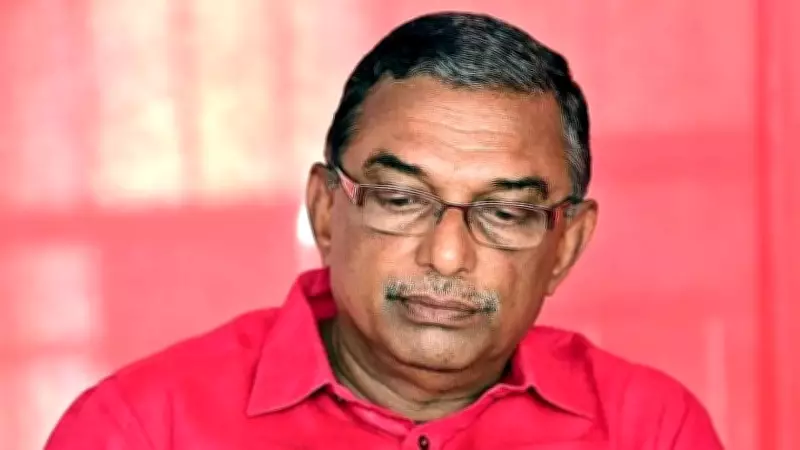
A Kerala court has granted statutory bail to A Padmakumar, the former president of the Travancore Devaswom Board (TDB), in connection with the high-profile Sabarimala gold heist case. However, this legal relief does not translate to immediate freedom for Padmakumar, as he remains incarcerated due to pending bail proceedings in a related case concerning the alleged loss of gold from the Dwarapalaka (guardian deity) plates at the temple.
Legal Proceedings and Bail Conditions
The court's decision to grant statutory bail to Padmakumar follows standard legal procedures, but it highlights the complex nature of the investigation. Statutory bail, often mandated by law when investigations exceed a certain period without charges being framed, provides temporary reprieve but does not absolve the accused of the allegations. In this instance, Padmakumar's release is contingent on resolving the separate case involving the Dwarapalaka plates, where he has yet to secure bail.
Key details of the case include:

- The Sabarimala gold heist involves the alleged theft of precious metals from the renowned Hindu pilgrimage site in Kerala.
- Padmakumar, as the former head of the TDB which manages the temple, is a central figure in the investigation.
- The Dwarapalaka plates case specifically pertains to the reported disappearance of gold from ceremonial items, adding another layer to the legal scrutiny.
Implications for the Investigation
This development underscores the ongoing challenges in the Sabarimala gold heist probe, which has captured public attention due to its religious and financial significance. The TDB, responsible for overseeing temple affairs, faces increased scrutiny as authorities delve deeper into the alleged mismanagement and theft. Padmakumar's statutory bail may allow for further legal maneuvering, but it does not signal an end to the judicial process.
Experts note that such cases often involve intricate forensic and administrative reviews, potentially prolonging the timeline for resolution. The court's ruling emphasizes the need for thorough due process while balancing the rights of the accused against the gravity of the charges.
Background and Public Reaction
The Sabarimala temple, a major pilgrimage destination, has been at the center of controversies in recent years, with this gold heist adding to the list. Public interest remains high, as devotees and stakeholders await clarity on the security lapses and accountability measures. The case has also sparked debates on temple management reforms in Kerala, with calls for enhanced transparency and oversight.
As the legal proceedings continue, all eyes are on the next steps in the Dwarapalaka plates case, which will determine Padmakumar's immediate future. The court's decision to grant statutory bail is a procedural milestone, but the broader investigation into the Sabarimala gold heist is far from over, with potential implications for temple governance and legal precedents in similar cases.