Supreme Court Issues Landmark Directive on Anticipatory Bail for Absconding Accused
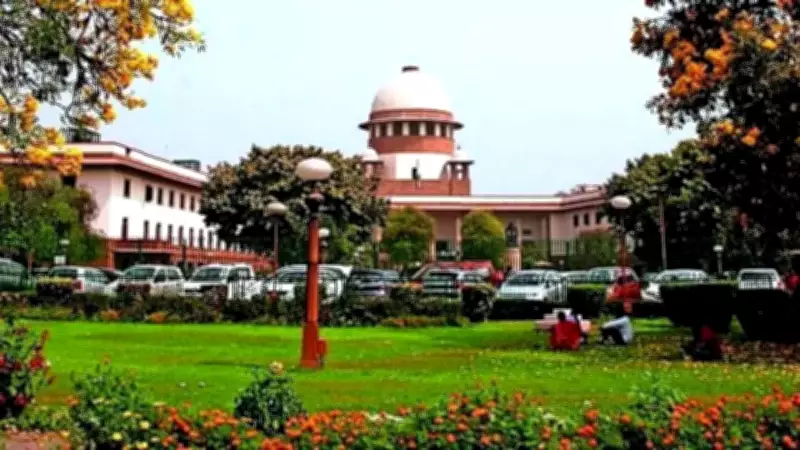
In a significant ruling aimed at upholding judicial integrity, the Supreme Court of India has issued a firm directive to all high courts across the nation. The apex court has mandated that anticipatory bail must not be granted to accused individuals who abscond during legal proceedings and later approach constitutional courts for protection from arrest, especially after their co-accused have been acquitted upon completion of trial.
Bench Overturns Madhya Pradesh High Court Order
A bench comprising Justices J B Pardiwala and Vijay Bishnoi set aside an order from the Madhya Pradesh High Court that had previously granted anticipatory bail to an absconding accused. The Supreme Court directed the accused to surrender and apply for regular bail instead. The bench expressed strong disapproval of the high court's instruction to the trial court to grant bail on the same day the accused files a plea, deeming it inappropriate.
Justice Bishnoi's Detailed Judgment
Justice Vijay Bishnoi, who authored the judgment, clarified the legal stance on this matter. He stated, "An absconder is not entitled to the relief of anticipatory bail as a general rule. However, in certain exceptional cases, where upon reviewing the FIR, case diary, and other relevant materials, the court forms a prima facie opinion that no case exists against the absconding accused, then the power to grant anticipatory bail may be exercised." This exception is intended to be applied sparingly and with rigorous scrutiny.

Case Background and Court's Observations
The court noted that the accused in this particular case was part of a mob that not only fled the scene but also threatened to kill an injured person who opposed his bail plea. The bench emphasized that the acquittal of co-accused individuals cannot serve as grounds for granting anticipatory bail to someone who has failed to cooperate with the investigation and delayed the trial process. This lack of participation undermines the judicial system's efficiency and fairness.
Broader Implications and Legal Precedent
The Supreme Court highlighted the detrimental effects of granting anticipatory bail in such scenarios. It stated, "Granting the relief of anticipatory bail... sets a bad precedent and sends a message that law-abiding co-accused persons who diligently attended the trial were wrong in doing so. Furthermore, it incentivizes people to evade the process of law with impunity." This ruling aims to discourage absconding and promote accountability within the legal framework.
Final Directions and Surrender Order
In its concluding remarks, the bench directed the accused to surrender before the trial court within four weeks and seek regular bail through proper channels. This directive reinforces the principle that individuals must face legal proceedings rather than avoid them, ensuring justice is served without undue delay or manipulation.