Supreme Court Declares West Bengal as India's Most Polarized State
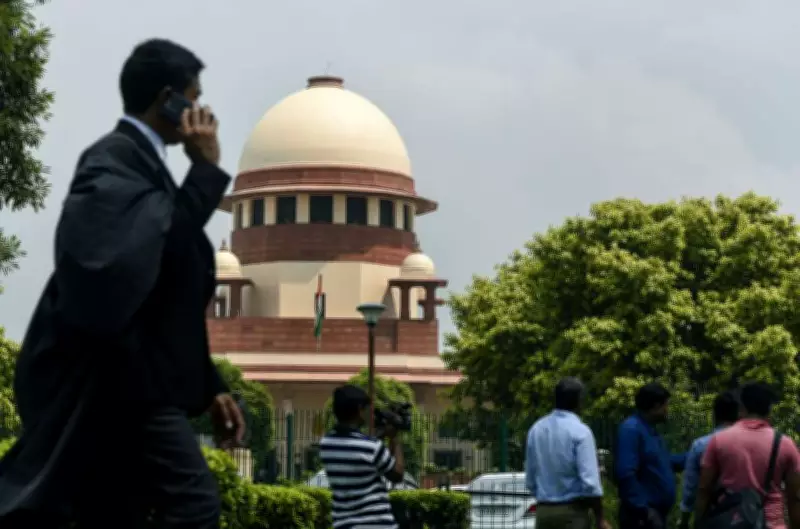
The Supreme Court of India has made a stark observation, labeling West Bengal as the most polarized state in the country. This declaration came during a hearing related to a disturbing incident in Malda, where judicial officers were subjected to a gherao, which the court described as pre-planned and indicative of severe political divisions.
Details of the Malda Gherao Incident
The court was addressing a case involving the gherao, or encirclement, of judicial officers in Malda district. According to the Supreme Court, this event was not a spontaneous act but a meticulously pre-planned operation. The officers were reportedly surrounded and intimidated, raising serious concerns about the safety and independence of the judiciary in the state.
The court emphasized that such incidents undermine the rule of law and reflect a climate of political polarization that threatens democratic institutions. It noted that the gherao was a deliberate attempt to exert pressure on judicial proceedings, highlighting the need for immediate action to protect judicial officers from such coercive tactics.

Implications for Judicial Independence and State Politics
This ruling has significant implications for both judicial independence and the political landscape of West Bengal. By calling West Bengal the most polarized state, the Supreme Court is drawing attention to the deep-seated political tensions that have been simmering in the region. The court's statement serves as a warning about the potential consequences of such polarization on governance and public order.
Furthermore, the incident in Malda underscores the challenges faced by judicial officers in performing their duties without fear or favor. The Supreme Court has urged state authorities to take stringent measures to prevent similar occurrences in the future, ensuring that the judiciary can operate freely and impartially.
Broader Context and Reactions
The Supreme Court's remarks come amid ongoing political strife in West Bengal, marked by frequent clashes between rival groups and allegations of violence. The gherao in Malda is seen as a symptom of this larger issue, where political polarization has escalated to the point of directly targeting judicial officials.
Legal experts and political analysts have weighed in, noting that this development could prompt a reevaluation of security protocols for judicial officers across India. There is a growing call for enhanced protection and a zero-tolerance policy towards any form of intimidation aimed at the judiciary.
In response, state officials have been directed to investigate the Malda incident thoroughly and hold those responsible accountable. The Supreme Court's intervention is expected to catalyze efforts to de-escalate tensions and restore confidence in the judicial system in West Bengal.