

Supreme Court Clears Path for 563 Group I Officer Appointments in Telangana
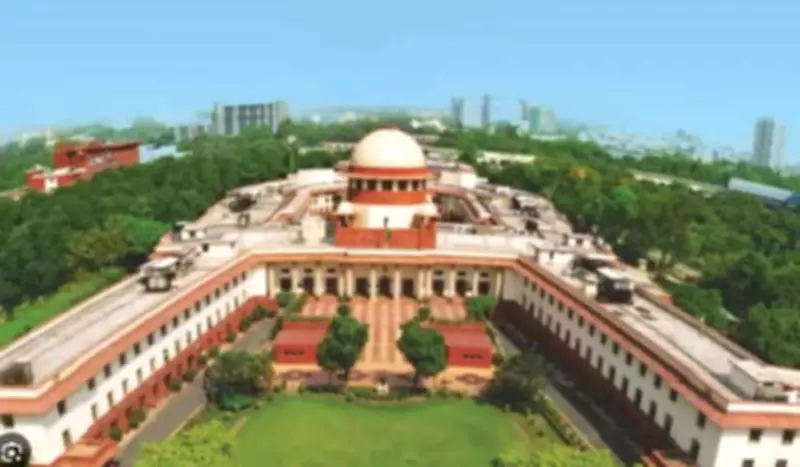
The Supreme Court of India has delivered a decisive verdict, clearing the way for the appointment of 563 successful candidates as Group I officers in Telangana. This landmark ruling brings a definitive end to the prolonged and contentious legal deadlock that had surrounded the state's prestigious public service selection process for years.
Legal Journey from High Court to Supreme Court
The protracted dispute originated when a group of aspirants, primarily comprising unemployed youth, approached the Telangana High Court. They sought judicial intervention to direct the Telangana Public Service Commission (TGPSC) to conduct a re-examination, alleging irregularities in the evaluation process.
In September 2025, a single-judge bench of the Telangana High Court ruled in favor of these petitioners. The court set aside both the final marks list and the general ranking list, casting significant doubt on the validity of the entire selection procedure.

Aggrieved by this order, TGPSC and the successful candidates promptly appealed to a division bench of the same high court. In February 2026, the division bench overturned the single judge's ruling, reinstating the original selection results and allowing TGPSC to proceed with issuing appointment orders.
The unsuccessful aspirants then escalated the matter to the Supreme Court, filing a batch of petitions challenging the division bench's decision and seeking to halt the appointments.
Key Arguments Presented Before the Apex Court
During Thursday's hearing before a bench comprising Justices Vikram Nath and Sandeep Mehta, counsel for the petitioners advanced several critical arguments:
- Discrepancies in Qualified Candidates: They highlighted inconsistencies in the number of candidates who had qualified in the mains examination.
- Moderation Process Concerns: Serious allegations were raised regarding the moderation process, particularly claiming that candidates who wrote the examination in Telugu were disadvantaged.
- Language Expertise Deficiency: The petitioners emphasized the crucial distinction between merely knowing a language and possessing true subject expertise in it, arguing that the absence of a Telugu language expert in the evaluation process created systemic bias.
- Procedural Shortcomings: Additional concerns included the absence of a third evaluator, lack of a barcode system for anonymous evaluation, and alleged non-availability of an evaluator proficient in Telugu script.
The petitioners' counsel maintained that these issues collectively demonstrated a fundamentally flawed evaluation system. They referenced the single judge's earlier findings of deficiencies in the moderation process, arguing that the lack of an effective moderation mechanism undermined the entire selection's integrity, regardless of the final outcome.
TGPSC and Selected Candidates' Defense
In response, counsel representing TGPSC and the successful candidates presented a robust defense:

- Comprehensive Judicial Scrutiny: They submitted that all issues raised by the petitioners had already been thoroughly examined and addressed by the division bench with clarity and legal soundness.
- Telugu Language Evaluation: On the specific concern about Telugu language evaluation, they pointed out that the petitioners themselves had successfully cleared the preliminary examination stage, suggesting no inherent disadvantage existed at that level.
- Transparency Paradox: Representing the selected candidates, counsel presented a compelling argument that the controversy largely emerged after the government issued web notes aimed at enhancing fairness and transparency. Ironically, they suggested, this very transparency became the foundation for litigation, despite there being no substantive irregularity in the process.
- Merit Validation: Perhaps most significantly, they highlighted that 26 of the 563 selected candidates had also qualified in the highly competitive UPSC examination. This fact served as strong evidence of the overall merit and capability of the selected cohort, underscoring that the case did not warrant further judicial interference.
During the proceedings, the bench itself remarked on whether increased transparency measures had inadvertently contributed to the dispute, acknowledging the complex interplay between administrative openness and legal challenges.
Supreme Court's Final Verdict and Implications
After carefully considering all submissions from both sides, the Supreme Court bench dismissed the petitions challenging the appointments. This decisive ruling finally paves the way for the appointment of all 563 Group I officers, marking a significant administrative milestone for Telangana since its formation as a separate state in 2014.
The judgment represents not just a legal resolution but also a crucial step forward in Telangana's administrative development. It validates the selection process conducted by TGPSC and ensures that qualified candidates can now assume their positions in the state's administrative machinery, potentially ending years of uncertainty for both the selected officers and the state's governance structure.
This case highlights the intricate balance between ensuring fair selection processes in public service appointments and the practical challenges of implementing transparent evaluation mechanisms. The Supreme Court's decision reinforces the principle that judicial intervention should be reserved for cases with substantive irregularities, rather than those arising from enhanced transparency measures or procedural apprehensions.





