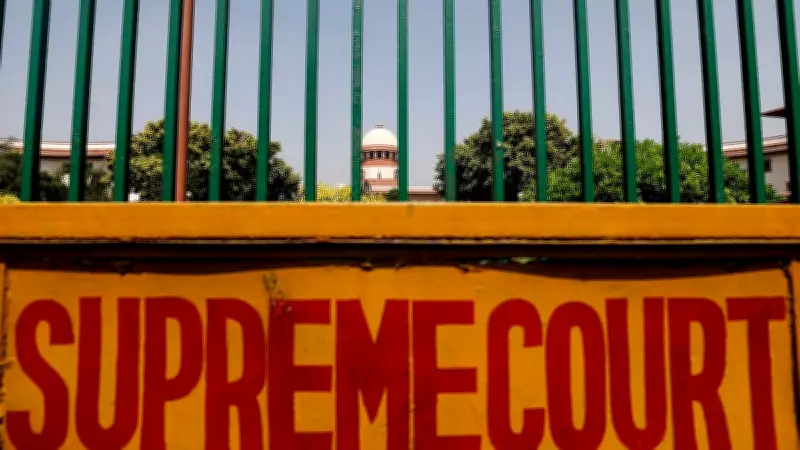
Supreme Court Affirms Autonomy of Committee of Creditors in Insolvency Cases
In a landmark judgment, the Supreme Court of India has firmly established that the commercial wisdom exercised by the Committee of Creditors (CoC) cannot be supplanted or interfered with through judicial review. This ruling reinforces the primacy of the CoC in making critical financial decisions during corporate insolvency resolution processes under the Insolvency and Bankruptcy Code.
Judicial Bodies Barred from Overriding CoC Decisions
The court explicitly stated that the decisions made by the CoC are beyond the scope of interference by key judicial bodies, including the National Company Law Tribunal (NCLT), the National Company Law Appellate Tribunal (NCLAT), and even the Supreme Court itself. This clarification aims to prevent unnecessary litigation and delays in the resolution of stressed assets, ensuring that the insolvency framework operates efficiently and with minimal judicial intervention.
The rationale behind this decision is rooted in the recognition that creditors, who have a direct financial stake in the outcome, are best positioned to assess and decide on matters of commercial viability and recovery. By shielding these decisions from judicial review, the court seeks to uphold the integrity and effectiveness of the insolvency process, which is crucial for economic stability and investor confidence.

Implications for Corporate Insolvency and Legal Precedents
This ruling has significant implications for the future of corporate insolvency in India. It sets a strong precedent that prioritizes the expertise and interests of creditors, potentially speeding up resolution timelines and reducing legal uncertainties. Stakeholders in the financial and legal sectors are likely to welcome this development as it provides greater clarity and predictability in insolvency proceedings.
Experts suggest that this judgment could lead to more robust and commercially sound resolutions, as creditors will have the assurance that their decisions will not be second-guessed by courts. However, it also raises questions about the balance between creditor autonomy and the need for judicial oversight in cases of potential malpractice or unfair practices.
In summary, the Supreme Court's decision marks a pivotal moment in Indian insolvency law, emphasizing the critical role of the Committee of Creditors and limiting judicial review to uphold commercial wisdom in financial resolutions.