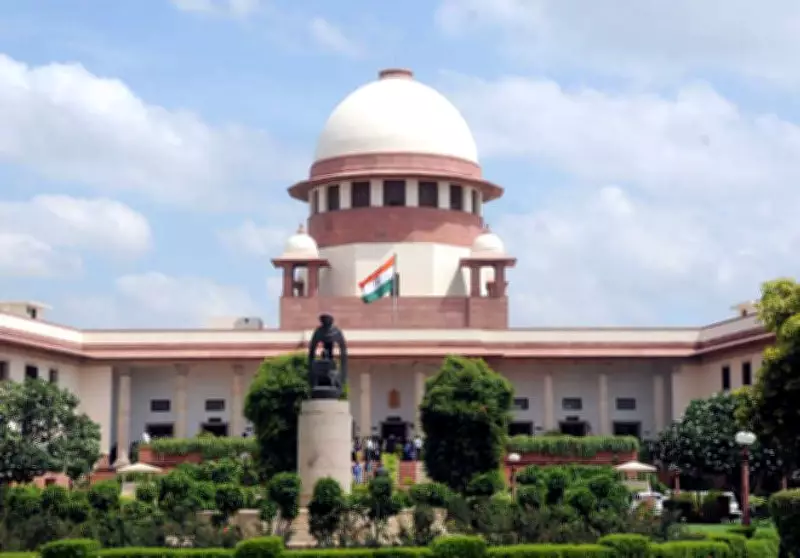
Supreme Court Mandates Time-Bound Trials in Delhi High Court
The Supreme Court of India has issued a significant directive to the Chief Justice of the Delhi High Court, emphasizing the urgent need for time-bound trials in pending cases. This move aims to address delays in the judicial process and ensure timely justice for litigants across the capital region.
Judicial Efficiency as a Priority
In a landmark order, the apex court highlighted that prolonged trials undermine public confidence in the legal system and contribute to a backlog of cases. The directive specifically calls for the Chief Justice to implement measures that streamline court proceedings, reduce adjournments, and set realistic timelines for case disposal.
Key aspects of the Supreme Court's instruction include:

- Establishing clear deadlines for different stages of trials.
- Monitoring case progress through regular reviews by senior judges.
- Encouraging the use of technology to expedite documentation and hearings.
- Prioritizing older cases to clear the accumulated backlog.
Impact on Delhi's Legal Landscape
This directive is expected to have a profound impact on the Delhi High Court, which handles a substantial volume of cases ranging from civil disputes to criminal appeals. By enforcing time-bound trials, the court aims to enhance access to justice and reduce the financial and emotional burden on parties involved in lengthy litigation.
Legal experts have welcomed the Supreme Court's intervention, noting that it aligns with broader judicial reforms aimed at improving efficiency. However, they also caution that achieving time-bound trials will require adequate infrastructure, trained personnel, and cooperation from all stakeholders, including lawyers and litigants.
Broader Implications for India's Judiciary
The Supreme Court's order is part of a larger effort to reform India's judicial system, which has long grappled with delays. Similar initiatives have been undertaken in other high courts and district courts across the country, focusing on case management and procedural improvements.
By targeting the Delhi High Court, a key judicial institution, the Supreme Court sets a precedent that could inspire other courts to adopt similar measures. This step reinforces the judiciary's commitment to upholding the right to a speedy trial, as enshrined in the Indian Constitution.
In conclusion, the directive to ensure time-bound trials marks a crucial step toward a more responsive and efficient legal system in Delhi, with potential ripple effects nationwide.