Supreme Court Directs Jharkhand Lawyer to Tender Unconditional Apology in High Court Over Viral Spat
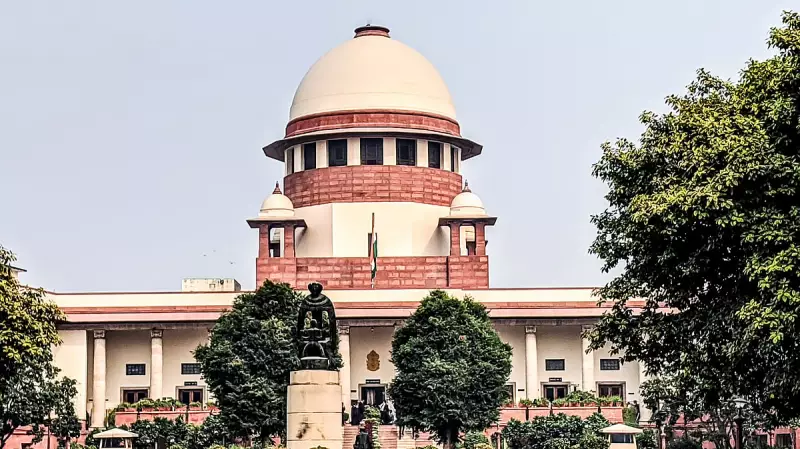
In a significant legal development, the Supreme Court of India has issued a directive concerning a lawyer from Jharkhand involved in a contentious incident with a judge. The apex court has disposed of a petition filed by the lawyer, granting him the liberty to submit an unconditional apology before the Jharkhand High Court. This decision comes in response to a contempt notice issued against the lawyer last year, stemming from a viral altercation that captured public attention.
Background of the Case
The case revolves around Mahesh Tiwari, a lawyer practicing in Jharkhand, who found himself at the center of a controversy after a spat with a judge went viral. The incident, which occurred in October last year, led to the Jharkhand High Court taking cognizance of the matter and issuing a contempt notice against Tiwari. The notice was served by a five-judge bench of the High Court, highlighting the seriousness with which the judiciary views such conduct.
The Supreme Court's intervention was sought through a petition, which has now been disposed of with specific instructions. The bench, in its ruling, emphasized the importance of maintaining decorum in judicial proceedings while providing Tiwari an opportunity to rectify the situation through a formal apology.
Details of the Supreme Court's Order
The Supreme Court bench, in its order, has allowed Mahesh Tiwari to file an unconditional apology before the five-judge bench of the Jharkhand High Court. This move is seen as a balanced approach, addressing the contempt issue while upholding the principles of natural justice. The court's decision underscores the judiciary's commitment to ensuring that legal professionals adhere to ethical standards, without resorting to undue harshness in cases where remorse is shown.
Key aspects of the order include:
- Disposal of the petition filed by Tiwari, effectively closing the Supreme Court's involvement in the matter.
- Granting Tiwari the liberty to submit an unconditional apology, which must be tendered before the specified High Court bench.
- Implicit recognition of the viral nature of the incident, which has brought additional scrutiny to the conduct of lawyers in courtrooms.
Implications for Legal Professionals
This case serves as a reminder to legal practitioners across India about the importance of maintaining professionalism and respect in judicial settings. The viral spat between Tiwari and the judge not only tarnished the image of the legal fraternity but also prompted swift action from the High Court. By directing Tiwari to apologize, the Supreme Court is setting a precedent that emphasizes accountability while allowing for corrective measures.
The incident highlights how social media and viral content can amplify legal disputes, putting additional pressure on the judiciary to address such matters promptly. It also reflects the evolving challenges in maintaining courtroom decorum in the digital age, where any misstep can quickly become public knowledge.
Next Steps and Conclusion
With the Supreme Court's order in place, Mahesh Tiwari is now expected to file his unconditional apology before the Jharkhand High Court bench. The acceptance of this apology will likely determine the final outcome of the contempt proceedings. Legal experts suggest that this case could influence future handling of similar incidents, balancing disciplinary actions with opportunities for redemption.
In summary, the Supreme Court's directive to the Jharkhand lawyer underscores the judiciary's role in upholding dignity in legal proceedings while fostering a culture of respect and accountability among legal professionals.