



Politics
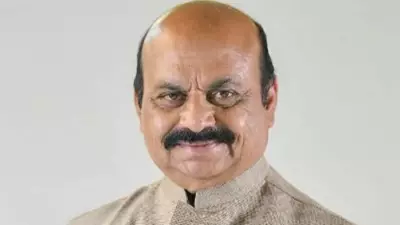
Bommai Declines Honorary Doctorate, Says Public Respect Matters More
Former Karnataka CM Basavaraj Bommai declines honorary doctorate from Haveri University, stating politicians should not receive such recognition and public respect is more valuable.



World

Iranians React with Shock and Defiance to Trump's Ultimatum on Strait of Hormuz
Iranians express shock and defiance as Trump threatens to destroy key infrastructure if Iran does not reopen the Strait of Hormuz by 8 p.m. Eastern time, escalating tensions in West Asia.



Entertainment
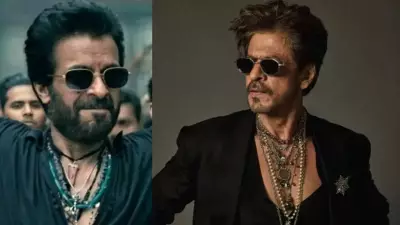
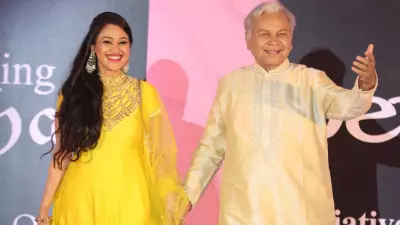
Ashwin Dhar Reacts to Memes Comparing His Look to Shah Rukh Khan's Met Gala Appearance
Actor Ashwin Dhar, known for his role in 'Dhurandhar,' responds to viral memes comparing his film look to Shah Rukh Khan's Met Gala outfit, calling it an overwhelming compliment.



Business
India's EV Sales Surge Past 20 Lakh Milestone, Led by Two-Wheelers and Cars
India's electric vehicle sales hit a record 24.5 lakh units in FY26, growing 25% year-on-year, with strong performance across two-wheelers, three-wheelers, cars, and commercial vehicles.



Sports


Lifestyle





Technology
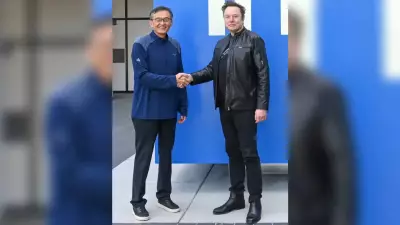
Intel Partners with Musk's Terafab for Chip Manufacturing
Intel collaborates with Elon Musk's companies to build Terafab, aiming for 1 Terawatt/year chip production to power AI and robotics advancements.

Sony Removes More 'Shovelware' from PlayStation Store
Sony has reportedly delisted another batch of low-quality 'shovelware' games from the PlayStation Store, continuing its efforts to clean up the digital marketplace. The move targets publishers known for producing repetitive, low-effort content.
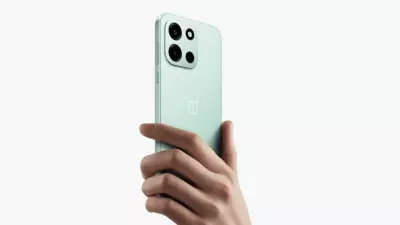
OnePlus Nord 6 India Launch: Snapdragon 8s Gen 4, 4 Android Updates
OnePlus Nord 6 debuts in India featuring the Qualcomm Snapdragon 8s Gen 4 chipset and a promise of four Android OS updates until 2030, enhancing performance and longevity for users.
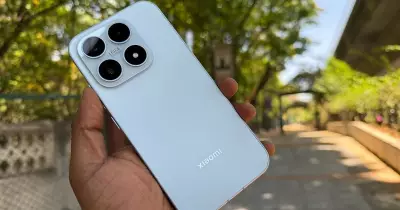
Xiaomi 17 Review: Compact Phone with Impressive Camera
The Xiaomi 17 offers a feature-rich flagship experience in a compact design, excelling with smooth performance, impressive photography, and long battery life.

World Health Day 2026: AI Chatbots vs. Human Doctors
As World Health Day 2026 approaches, experts highlight the limitations of AI chatbots in healthcare, emphasizing why they cannot replace human doctors despite growing dependency on artificial intelligence in India.
