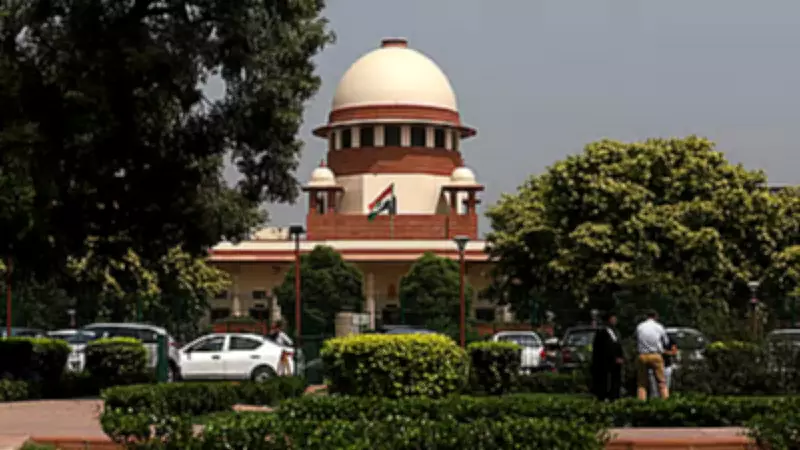
Supreme Court Delivers Landmark Ruling on Dearness Allowance Parity
The Supreme Court of India has issued a significant judgment, declaring that state governments cannot legally differentiate between serving and retired employees when it comes to the disbursement of Dearness Allowance (DA). This ruling addresses a long-standing issue affecting pensioners and current government staff across various states.
Court's Rationale on Financial Constraints
In its detailed observation, the Supreme Court acknowledged that financial constraints within state administrations might serve as a legitimate guiding factor. The court stated that such budgetary pressures could justify the deferral of disbursement for certain benefits or necessitate separate implementation dates for beneficial schemes. However, the bench emphasized that this does not permit a fundamental distinction in the entitlement to DA between active and retired employees.
The ruling clarifies that while timing and phasing of payments can be adjusted due to economic considerations, the core right to receive Dearness Allowance must remain equal for both groups. This decision is expected to have far-reaching implications for state employee unions and pensioner associations nationwide.

Background and Context of the Case
The case specifically involved the Karnataka State Road Transport Corporation (KSRTC), where disparities in DA payments between serving and retired employees had been challenged. The Supreme Court's verdict reinforces the principle of equitable treatment under pension and employment schemes, ensuring that retired workers are not disadvantaged in compensation adjustments meant to offset inflation.
This judgment underscores the judiciary's role in protecting employee rights against arbitrary administrative decisions, particularly in matters of financial benefits that impact livelihood and retirement security.
Potential Impact on State Policies
Following this ruling, state governments may need to review and potentially revise their DA policies to ensure compliance. Key considerations include:
- Aligning DA calculation methods for serving and retired personnel
- Establishing transparent criteria for any deferred payment schedules
- Developing sustainable financial planning to accommodate uniform DA entitlements
The Supreme Court's decision is likely to prompt similar legal challenges in other states where DA disparities exist, setting a precedent for uniform treatment of employees throughout their service and post-retirement periods.