Supreme Court Advocates Legislative Protection for Domestic Workers, Sidesteps Minimum Wage Directive
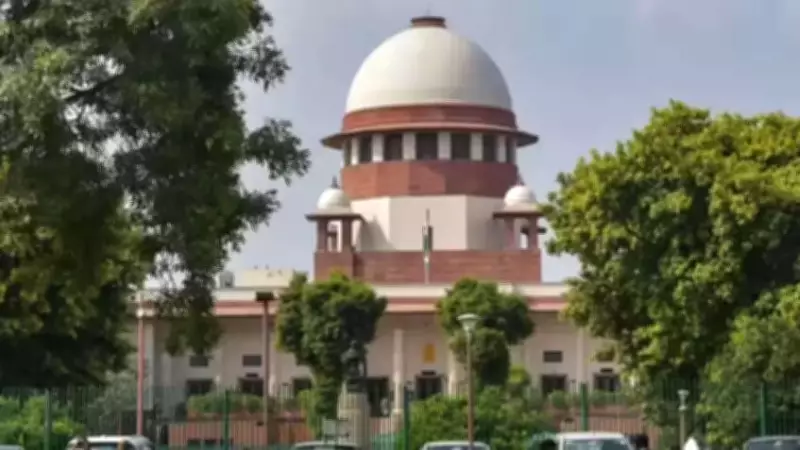
In a significant development, the Supreme Court of India has acknowledged the pressing need to safeguard domestic helps from exploitation while simultaneously expressing reservations about imposing a nationwide minimum wage mandate. The apex court, based in New Delhi, has proposed that individual states take the initiative to enact legislative measures aimed at protecting this vulnerable workforce.
Court's Caution on Minimum Wages and Union Influence
The bench, however, declined to issue a direct order for the adoption of minimum wages for domestic workers. The court articulated a concern that such a mandate might inadvertently deter families from employing domestic helps. The apprehension stems from the fear that households could become hesitant, worrying about potential legal entanglements with workers' unions in court proceedings.
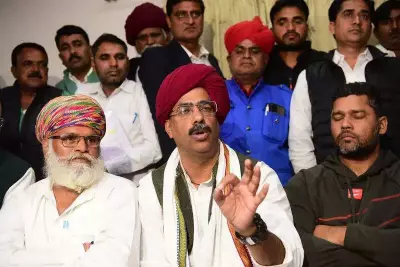
During the proceedings, the Supreme Court offered a critical perspective on the role of trade unions in this context. The bench observed that, in certain instances, union activities have paradoxically harmed workers' interests rather than advancing them. "Just to gain popularity, such petitions are filed by so-called trade union leaders. Do you know how many industries in India were closed because of the activities of unions? They do not allow workers to work," the bench remarked, highlighting a broader skepticism about union tactics.
Petitioners Directed to State Authorities
In light of these considerations, the court advised the petitioners to redirect their grievances to their respective state governments. This recommendation underscores the court's preference for decentralized, state-level solutions over a centralized judicial mandate.
Senior advocate Raju Ramachandran, representing multiple domestic workers' unions and associations, brought to the court's attention a common issue faced by domestic helps. He pointed out that domestic workers seldom receive a weekly off, emphasizing the need for improved working conditions and rights.
The Supreme Court's stance reflects a nuanced approach to labor rights, balancing the imperative to prevent exploitation with practical concerns about implementation and potential unintended consequences. By encouraging state legislatures to act, the court aims to foster tailored protections that address local realities while avoiding blanket policies that could disrupt employment dynamics.