

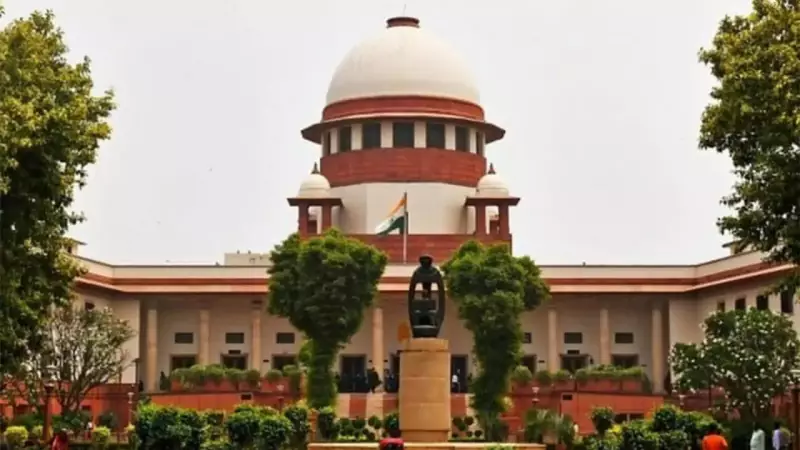
The Supreme Court of India adopted a firm and questioning stance on Tuesday while hearing a significant habeas corpus petition. The plea concerned the alleged custodial disappearance of Rohingya individuals and sought to ensure that any deportation process strictly adheres to established legal procedure.
Bench Questions the Basis of the Plea
Chief Justice of India Surya Kant, presiding alongside Justice Joymalya Bagchi, directly questioned the foundational argument of the petition. The bench highlighted the critical issue of legal status, asking where the Government of India's order declaring the Rohingyas as refugees was located. The CJI emphasized that 'refugee' is a well-defined legal term and pointedly asked, "If there is no legal status of a refugee, and somebody is an intruder, and he enters illegally, do we have an obligation to keep that fellow here?"
In response, the counsel representing the petitioner clarified that they were not seeking formal refugee status for the individuals. Their core demand was simpler: that any action to deport them must follow the due process of law.

'Red Carpet Welcome' Remark and Legal Scrutiny
The bench's skepticism was further evident in its sharp rhetorical questions. The Supreme Court judges asked, "If an intruder comes, do we give them a red carpet welcome saying we would like to give you all facilities? What is the problem in sending them back?" This analogy underscored the court's focus on the circumstances of entry.
CJI Surya Kant elaborated on this point, critiquing the sequence of events presented by the plea's implication. He remarked, "First you enter, you cross the border illegally… Then you say, now that I have entered, your laws must apply to me… Do we want to stretch the law like this?" This line of questioning placed the legality of the initial entry at the heart of the judicial examination.
Implications and the Path Forward
The hearing brings into sharp focus the complex intersection of humanitarian concerns, national sovereignty, and strict legal interpretation. The Supreme Court's pointed questions signal a rigorous scrutiny of the plea, prioritizing the clarification of the individuals' legal standing under Indian law above all else. The case underscores the ongoing debate around the treatment of the Rohingya community in India, a group that has fled persecution in Myanmar but lacks formal refugee status in the country. The court's final ruling on this habeas corpus plea will be closely watched for its implications on immigration policy and the application of constitutional protections to non-citizens.






