Supreme Court Directs MP High Court to Hear Objections on Bhojshala Videography
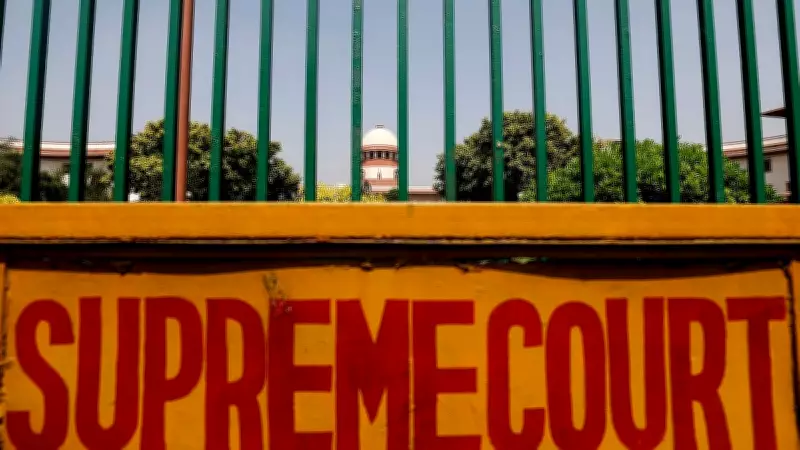
In a significant legal development, the Supreme Court of India has issued a directive to the Madhya Pradesh High Court, mandating it to hear all objections related to the videography of the Bhojshala Temple and Kamal Maula Mosque premises. This decision underscores the judiciary's commitment to ensuring that any scientific survey conducted at the site adheres strictly to the principles of natural justice.
Court's Emphasis on Natural Justice
The Supreme Court emphasized that all objections regarding the proposed scientific survey must be thoroughly heard and considered. This approach aims to uphold fairness and transparency in the process, preventing any potential disputes or grievances from being overlooked. The court's intervention highlights the sensitive nature of the site, which holds religious significance for multiple communities, and seeks to balance legal procedures with respect for diverse beliefs.
By instructing the Madhya Pradesh High Court to conduct hearings in accordance with natural justice, the Supreme Court ensures that all stakeholders have an opportunity to voice their concerns. This step is crucial for maintaining public trust and avoiding conflicts that could arise from unilateral decisions. The directive reflects a broader judicial trend towards inclusive and equitable resolution of contentious issues involving heritage and religious properties.

Background and Implications
The Bhojshala Temple-Kamal Maula Mosque complex in Madhya Pradesh has been a subject of historical and religious debate, with various groups claiming rights over the premises. The videography survey is part of efforts to document and assess the site's condition, but it has sparked objections from different quarters. The Supreme Court's order now places the responsibility on the High Court to address these objections methodically, potentially setting a precedent for similar cases across India.
This move is expected to facilitate a more structured and lawful examination of the site, ensuring that any actions taken are based on comprehensive input from all parties involved. It also reinforces the role of the judiciary in mediating complex socio-religious matters, promoting harmony through due process. As the High Court prepares to hear the objections, stakeholders await further developments that could shape the future management and preservation of this historically significant location.