

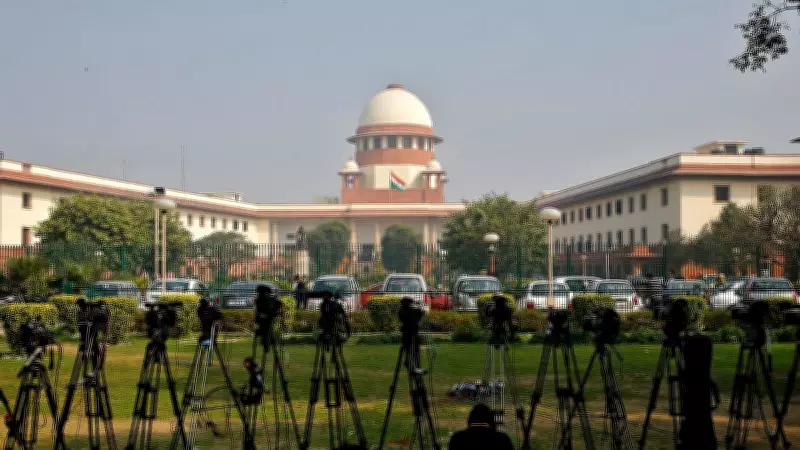
Supreme Court Seeks Centre's Stance on Disability Cadets' Ex-Servicemen Classification
The Supreme Court of India has directed the Central government to provide a clear position on whether cadets who are boarded out of military training due to injury or disability should be officially recognized as ex-servicemen. This significant judicial inquiry emerged during a hearing of a suo motu case initiated by the court itself, focusing on the systemic challenges and hardships faced by these individuals.
Judicial Scrutiny of Cadet Welfare Policies
During the proceedings, the apex court emphasized the need for a definitive policy framework regarding the status and entitlements of cadets discharged on medical grounds. The bench highlighted that these cadets often endure physical and psychological trauma from their training injuries, yet their post-discharge benefits remain ambiguous and insufficient under current regulations.
The court's intervention aims to address a critical gap in military welfare schemes, where cadets disabled during training are not automatically granted the same privileges as regular ex-servicemen, such as pension benefits, healthcare access, and employment quotas. This discrepancy has long been a point of contention among veterans' groups and disability rights advocates.

Background of the Suo Motu Case
The Supreme Court took up this matter suo motu, meaning on its own motion, after becoming aware of numerous petitions and reports detailing the struggles of disabled cadets. These individuals, who entered service with aspirations of a military career, find themselves in a legal limbo after being medically boarded out, lacking the support systems available to other ex-servicemen.
Key issues under examination include:
- The eligibility criteria for ex-servicemen status as per existing laws and military guidelines.
- The adequacy of compensation and rehabilitation measures for cadets discharged due to disability.
- The potential need for legislative amendments to ensure equitable treatment for all service personnel, regardless of their discharge circumstances.
Implications for Military and Disability Rights
This case has far-reaching implications for both military administration and disability rights in India. Granting ex-servicemen status to disabled cadets could set a precedent for enhanced welfare provisions, ensuring that those who sacrifice their health in service training receive commensurate recognition and support.
The Centre's response, expected in subsequent hearings, will be closely monitored by stakeholders, including defense authorities, disability organizations, and legal experts. A favorable ruling could lead to policy reforms that better align with principles of social justice and national duty.
As the Supreme Court continues its deliberations, this case underscores the judiciary's role in safeguarding the rights of vulnerable groups within the armed forces framework, promoting a more inclusive and supportive environment for all who serve the nation.






