

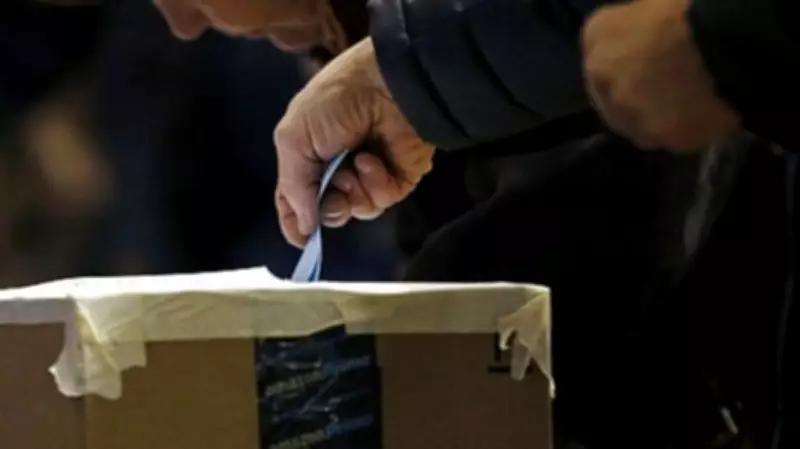
The Supreme Court on Tuesday refused to entertain a plea challenging the use of ballot papers in the upcoming Punjab local body elections. The court also declined to appoint an observer to oversee the electoral process, terming such an intervention as a very serious interdiction that it would not undertake.
The bench, comprising Justices, made the observation while hearing a petition that sought directions for the use of electronic voting machines (EVMs) instead of ballot papers in the local body polls. The petitioner argued that ballot papers are prone to manipulation and fraud, undermining the credibility of the electoral process.
However, the Supreme Court expressed its reluctance to interfere in the matter, stating that the decision to use ballot papers or EVMs is a policy matter best left to the Election Commission and the state government. The court said it would not impose its own views on the conduct of elections, as it could set a problematic precedent.

Refusing the demand for an observer, the court emphasized that such appointments are extraordinary measures and should not be made lightly. The bench noted that the election machinery in Punjab is capable of conducting free and fair polls, and there is no reason to doubt its efficiency.
The Punjab local body elections are scheduled to be held in the coming weeks, with the state government opting for the traditional ballot paper system. The decision has drawn criticism from opposition parties and civil society groups, who argue that EVMs are more secure and transparent.
The Supreme Court's order effectively clears the way for the elections to proceed as planned, without any judicial oversight beyond the usual legal framework. The court also advised the petitioner to approach the Punjab and Haryana High Court if they had any specific grievances regarding the electoral process.






