Supreme Court Formalizes Interim Bail for Journalist in Financial Probe
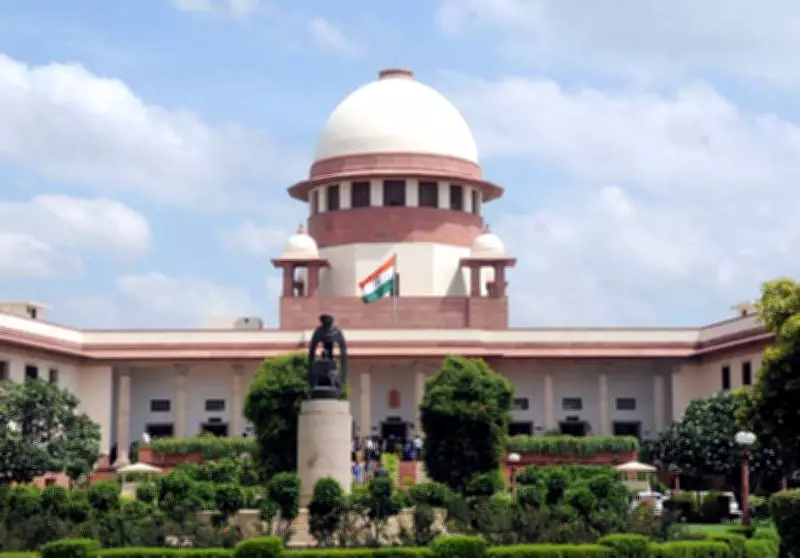
The Supreme Court of India has taken a significant step in the ongoing legal proceedings involving Gujarat-based journalist Mahesh Langa. In a recent ruling, the court has regularized the interim bail previously granted to Langa, who is embroiled in a money laundering case. This decision effectively allows Langa to remain out of custody while the investigation by the Enforcement Directorate (ED) progresses, ensuring his freedom as the case unfolds.
Background of the Case and Legal Proceedings
Mahesh Langa, a well-known journalist from Gujarat, was initially arrested in connection with allegations of money laundering. The case, which has drawn attention from media and legal circles, involves accusations of financial irregularities that are currently under scrutiny by the ED. Following his arrest, Langa was granted interim bail by a lower court, a move that provided temporary relief but required further judicial confirmation.
The Supreme Court's intervention came after appeals were made to formalize this bail status. By regularizing the interim bail, the court has provided a more stable legal footing for Langa, allowing him to avoid detention without compromising the integrity of the investigation. This ruling underscores the judiciary's role in balancing individual rights with the demands of law enforcement, particularly in high-profile cases involving financial crimes.

Implications for Journalism and Legal Precedents
This case has sparked discussions about the intersection of journalism and legal accountability. Langa's situation highlights the challenges faced by journalists when entangled in legal battles, especially those related to financial offenses. The Supreme Court's decision to regularize his bail may set a precedent for similar cases, emphasizing the importance of due process and the presumption of innocence until proven guilty.
Moreover, the ruling could influence how bail is handled in money laundering investigations, particularly for individuals in the media sector. It reflects a cautious approach by the judiciary, ensuring that investigative agencies have the space to conduct thorough probes while safeguarding the rights of the accused. This balance is crucial in maintaining public trust in both the legal system and the press.
Next Steps and Ongoing Investigation
With the bail now regularized, Mahesh Langa is expected to cooperate with the ED as the investigation into the money laundering allegations continues. The case remains active, and further developments are anticipated as more evidence is gathered and analyzed. Legal experts suggest that this ruling does not imply any judgment on Langa's guilt or innocence but rather facilitates a fair legal process.
The Supreme Court's action also opens the door for potential future hearings or appeals, depending on how the investigation progresses. Stakeholders, including media organizations and human rights advocates, will likely monitor the case closely, given its implications for press freedom and legal norms in India. As the story evolves, it serves as a reminder of the complex dynamics between journalism, law, and financial regulation in the modern era.