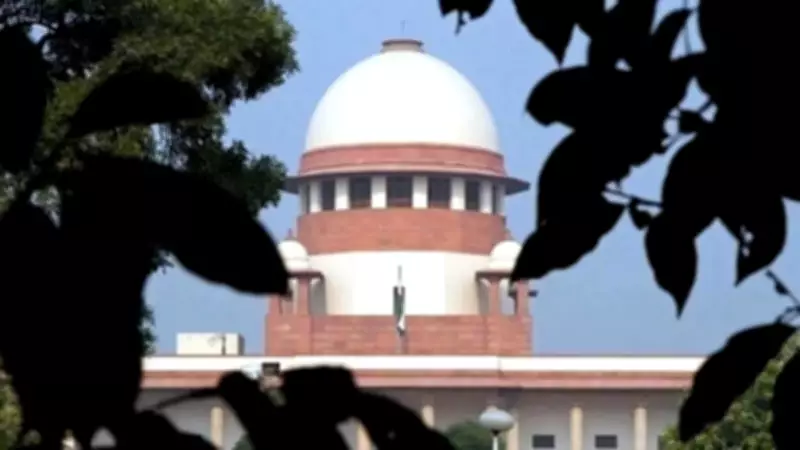
Supreme Court Halts Conversion Case Proceedings
The Supreme Court on July 9, 2026, stayed the criminal proceedings against a Madhya Pradesh man who was accused of pressuring his family to convert to Islam. The bench, comprising Justices Vikram Nath and Prashant Kumar Mishra, issued the stay after hearing the petitioner’s counsel, who argued that the allegations were baseless and that the family continues to follow Hinduism.
Background of the Case
The case originated from a complaint filed by the petitioner’s relatives, who alleged that he was coercing his wife and children to convert from Hinduism to Islam. The local police in Madhya Pradesh registered a case under the state’s religious freedom laws, which prohibit forced or fraudulent conversions. The petitioner challenged the proceedings in the Supreme Court, claiming that the accusations were motivated by a family dispute and that no conversion had taken place.
Key Arguments in Court
During the hearing, the petitioner’s counsel informed the bench that the petitioner and his family continue to practice the Hindu religion and that there was no evidence of any forced conversion. The counsel further argued that the complaint was filed with malicious intent to harass the petitioner. The Supreme Court, after considering the submissions, stayed the trial court proceedings pending further orders.

Legal Implications
The stay order is significant as it comes amid a nationwide debate over anti-conversion laws. Several states, including Madhya Pradesh, have enacted stringent laws to curb forced religious conversions, often requiring prior permission from authorities. Legal experts say the Supreme Court’s intervention underscores the need to prevent misuse of such laws for settling personal scores.
Next Steps
The Supreme Court has issued notice to the Madhya Pradesh government and the complainant, seeking their responses within four weeks. The case is scheduled for further hearing in August 2026. Until then, the trial court cannot proceed with the case.