Supreme Court Takes Action in Ghaziabad Minor's Rape and Murder Case
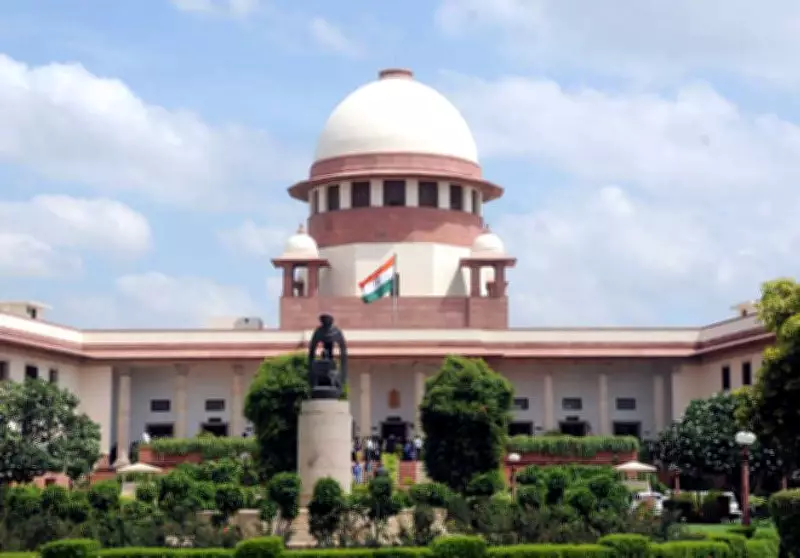
The Supreme Court of India has issued a significant summons, calling for the Ghaziabad police chief and the investigating officer to appear before it on April 13. This directive comes in response to the horrific case involving the rape and murder of a minor, highlighting the judiciary's commitment to ensuring accountability and expediting justice in such grave matters.
Details of the Case and Judicial Intervention
The case, which has shocked the nation, revolves around the brutal assault and killing of a young girl in Ghaziabad. The apex court's decision to summon top police officials underscores its concern over the handling of the investigation and the need for a thorough probe. By setting a hearing date, the court aims to scrutinize the progress made so far and address any lapses that may have occurred in the pursuit of justice.
This move by the Supreme Court is seen as a critical step towards reinforcing the rule of law and protecting vulnerable sections of society. It sends a clear message that authorities must act swiftly and effectively in cases of violence against minors, ensuring that perpetrators are brought to book without delay.

Implications for Law Enforcement and Public Trust
The summons to the Ghaziabad police chief and investigating officer is expected to have far-reaching implications. It places pressure on law enforcement agencies to demonstrate transparency and efficiency in their investigations. Public trust in the police system is at stake, and this judicial oversight could help restore confidence by holding officials accountable for their actions or inactions.
Moreover, this case highlights the broader issue of child safety and the need for stronger preventive measures. The Supreme Court's involvement may prompt reforms in how such cases are investigated and prosecuted across the country.
- Enhanced scrutiny of police procedures in sensitive cases.
- Potential for faster resolution and justice for victims.
- Increased awareness and advocacy for child protection laws.
Looking Ahead: The April 13 Hearing
As the hearing date approaches, all eyes will be on the Supreme Court proceedings. The Ghaziabad police officials are expected to present a detailed report on the investigation, including any challenges faced and steps taken to apprehend the culprits. The outcome of this hearing could set a precedent for how similar cases are handled in the future, emphasizing the importance of judicial oversight in ensuring justice.
In conclusion, the Supreme Court's summons in the Ghaziabad minor's rape and murder case is a pivotal moment in the fight against crimes targeting children. It underscores the judiciary's role as a guardian of justice and a catalyst for systemic change in law enforcement practices.