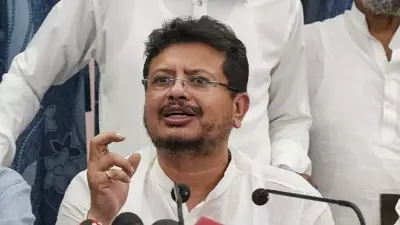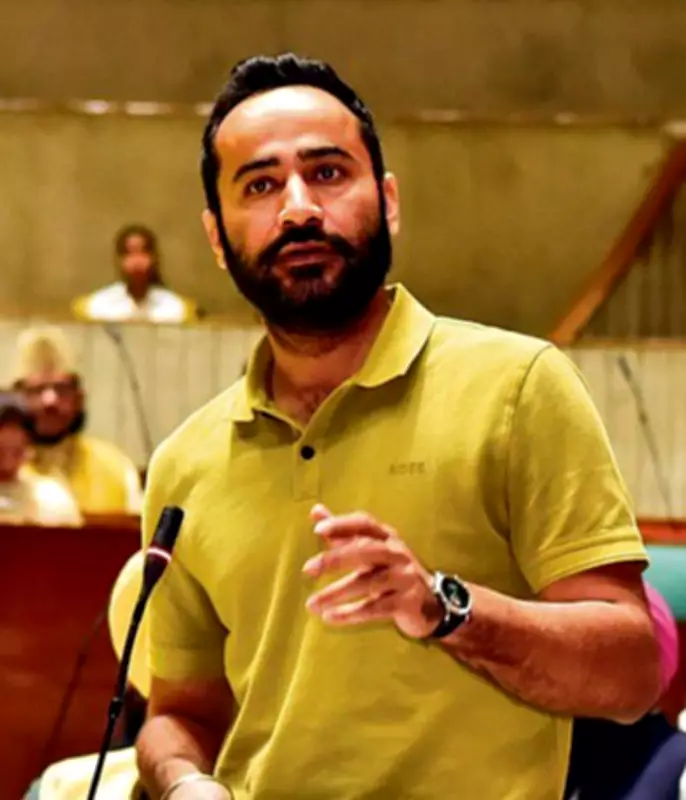
Sangrur Aam Aadmi Party MP Gurmeet Singh Meet Hayer on Monday welcomed the Supreme Court's recent judgment recognising the right to walk as a fundamental right, stating that the verdict vindicates concerns he had raised in Parliament regarding the safety and mobility rights of pedestrians, cyclists and other non-motorised road users.
Parliamentary Question on Pedestrian Safety
Hayer had flagged the issue in the Lok Sabha through a question on July 31, 2025, seeking clarity from the Centre on whether it recognised the right to safe mobility for pedestrians and cyclists on National Highways and what measures were being taken to ensure accessible infrastructure for vulnerable road users. According to the MP, the Union Government's response at the time was vague and limited to references to existing guidelines, surveys and road safety audits, without explicitly recognising safe mobility as a right or outlining a roadmap for pedestrian-friendly infrastructure.
Supreme Court's Landmark Ruling
“The Supreme Court has now unequivocally held that the right to walk is a fundamental right under Part III of the Constitution, thereby establishing what should have been acknowledged much earlier by the Government,” Hayer said. The Supreme Court Bench, comprising Justice P.S. Narasimha and Justice A.S. Chandurkar, observed that the right to walk is a fundamental right under Part III of the Constitution and is integral to the right to movement guaranteed under Article 19(1)(d), read with Articles 19(1)(a), 19(1)(b), 19(1)(c) and Article 21.

Impact on Vulnerable Road Users
Describing the judgment as a milestone, Hayer said it offers renewed hope to millions of pedestrians, cyclists, senior citizens, women, children and persons with disabilities by reinforcing the need for people-centric road infrastructure. He added that the ruling would encourage authorities to prioritise footpaths, safe crossings, universal accessibility and other essential pedestrian facilities in future infrastructure projects.
Implications for Urban Planning
The judgment is expected to have significant implications for urban planning, road design and public infrastructure projects across the country, strengthening the constitutional guarantee of safe and dignified mobility for all citizens. Hayer's earlier parliamentary intervention highlighted the lack of explicit government recognition of safe mobility as a right, a gap now addressed by the Supreme Court's authoritative interpretation of constitutional provisions.