

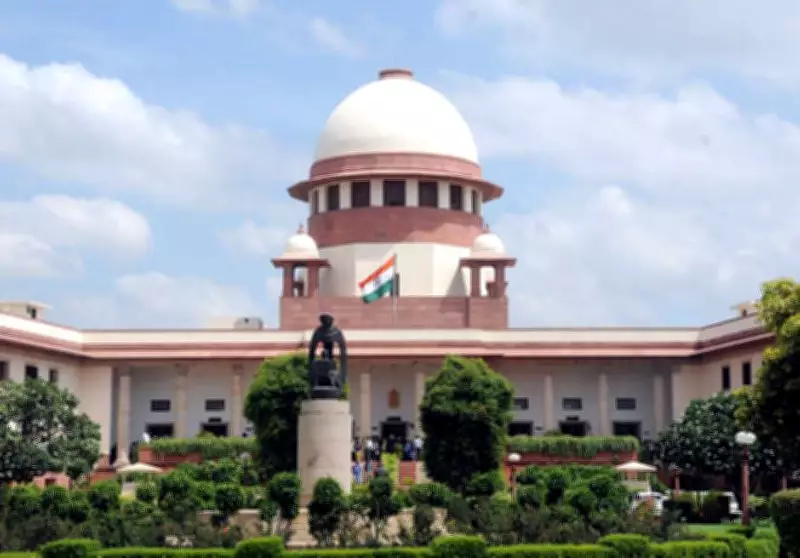
Supreme Court Issues Caution on Sabarimala Temple Exclusion
The Supreme Court of India has raised a significant warning regarding the ongoing Sabarimala temple case, emphasizing that the exclusion of women from the shrine could potentially lead to deep societal divisions and have a detrimental impact on Hinduism as a whole. This caution comes amid a backdrop of intense legal and social debates over the temple's traditions and their alignment with constitutional principles.
Potential Societal and Religious Ramifications
In its observations, the Supreme Court highlighted that practices of exclusion, such as those at Sabarimala, might not only fragment society but also undermine the inclusive ethos often associated with Hinduism. The court stressed that such divisions could erode social harmony and create rifts within communities, which may have long-term adverse effects on the religion's perception and practice.
The bench noted that while religious customs are protected, they must be balanced against fundamental rights and societal welfare. This stance reflects a broader judicial effort to navigate the complex interplay between tradition and modernity in India's diverse cultural landscape.

Background of the Sabarimala Case
The Sabarimala temple, located in Kerala, has been at the center of controversy due to its ban on women of menstruating age (typically 10 to 50 years) from entering the premises. This practice is based on traditional beliefs linked to the deity Lord Ayyappa. In 2018, the Supreme Court ruled to lift this ban, declaring it unconstitutional and a violation of women's rights. However, the implementation of this verdict has faced strong resistance from various groups, leading to protests and legal challenges.
Recent hearings have revisited these issues, with the court now cautioning about the broader implications of maintaining such exclusions. The judges pointed out that upholding discriminatory practices could set a precedent that might encourage similar divisions in other religious contexts, thereby weakening the social fabric.
Legal and Social Perspectives
From a legal standpoint, the Supreme Court's warning underscores the importance of ensuring that religious practices do not contravene constitutional guarantees of equality and non-discrimination. The court has been examining whether the Sabarimala tradition can be justified under the right to religious freedom, while also considering its impact on gender justice and societal cohesion.
Socially, this caution resonates with ongoing debates about reform within Hinduism and the need to adapt ancient customs to contemporary values. Many activists and scholars argue that exclusionary practices hinder progress towards a more equitable society, while traditionalists defend them as integral to religious identity.
Implications for Hinduism and Society
The Supreme Court's remarks suggest that the Sabarimala case is not just about one temple but has wider ramifications for how Hinduism is perceived and practiced in modern India. By cautioning against societal division, the court is urging a reevaluation of practices that may alienate segments of the population and harm the religion's inclusive reputation.
This development could influence future legal judgments and public discourse on similar issues, potentially leading to more nuanced approaches that balance tradition with progressive values. It also highlights the judiciary's role in mediating conflicts between religious autonomy and fundamental rights.
As the case continues, stakeholders from various sectors are closely watching the outcomes, which may shape the trajectory of religious and social policies in the country. The Supreme Court's caution serves as a reminder of the delicate balance required to uphold both cultural heritage and constitutional principles in a diverse democracy like India.






