

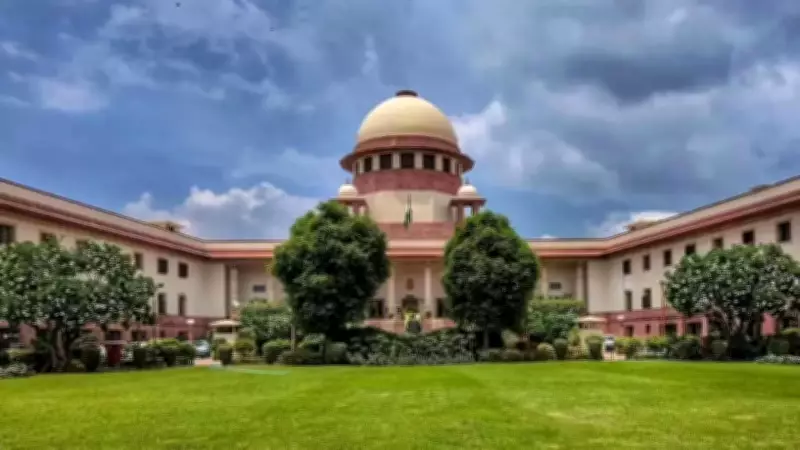
Supreme Court Agrees to Examine Biometric Voting System to Curb Electoral Fraud
The Supreme Court of India has taken a significant step towards potential electoral reform by agreeing to examine a plea that advocates for the implementation of biometric identification systems at polling stations. This move aims to address long-standing concerns over duplicate and fraudulent voting, which have plagued the integrity of India's democratic process.
Court Issues Notices to Key Authorities
A bench led by Chief Justice Surya Kant and Justice Joymalya Bagchi issued formal notices to the Central Government, the Election Commission of India, and several state governments. The court has sought their detailed responses on the feasibility and implications of introducing biometric verification, such as finger and iris scans, during elections. However, the bench made it explicitly clear that any such measure cannot be implemented for the ongoing state Assembly elections, emphasizing that this review is for future electoral cycles.
Focus on Future Elections and Electoral Purity
In its observations, the bench highlighted the need for a thorough examination of whether biometric systems should be adopted before the next parliamentary or state assembly elections. The plea, filed by advocate Ashwini Kumar Upadhyay, argues that current voting mechanisms are vulnerable to malpractices like impersonation and duplicate voting. The petition stresses that issues such as bribery, undue influence, and ghost voting undermine the purity and integrity of the electoral process, calling for technological interventions to safeguard democracy.

Broader Context of Electoral Reforms
This development occurs amidst ongoing national debates about electoral reforms in India. With the Supreme Court now set to deliberate on integrating biometric verification, the discussion extends beyond mere procedural changes to encompass broader questions about technology's role in enhancing transparency and trust in voting systems. The court's decision to review this plea signals a proactive approach to addressing electoral fraud, potentially paving the way for innovative solutions in future polls.
As the case progresses, stakeholders including government bodies and electoral authorities will need to provide insights into the technical, logistical, and privacy aspects of biometric implementation. This judicial scrutiny underscores the importance of maintaining electoral integrity while adapting to modern advancements, ensuring that India's democratic framework remains robust and credible for generations to come.






