Taiwan Monitors Increased Chinese Military Presence Near Its Territory
In a recent development that underscores the persistent tensions in the Taiwan Strait, Taiwan's Ministry of National Defense has reported the detection of significant Chinese military activity in the vicinity of its territory. According to official statements, the Taiwanese defense forces tracked four aircraft belonging to the People's Liberation Army (PLA) of China, along with seven naval vessels, operating in the areas surrounding Taiwan. This incident marks another instance in a series of similar activities that have been frequently observed over the past months, reflecting the ongoing strategic maneuvers by China in the region.
Details of the Military Sorties and Naval Movements
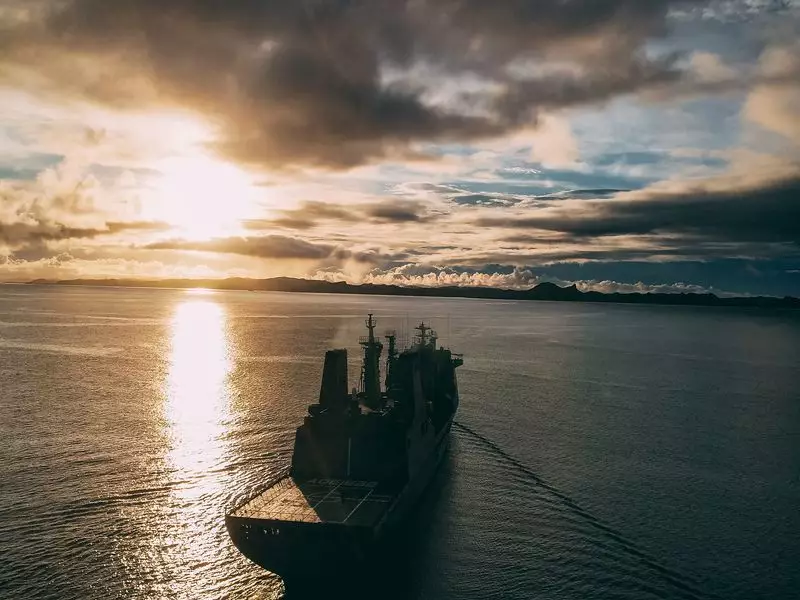
The Taiwanese defense ministry provided specific details regarding the detected military assets. The four PLA aircraft were identified as conducting sorties, which are operational flights, in the airspace near Taiwan. These sorties are part of what China often describes as routine training exercises, but they are viewed by Taiwan as potential threats to its sovereignty and security. Simultaneously, the seven naval vessels, which include ships from the PLA Navy, were observed patrolling the waters around Taiwan. This dual presence of air and naval forces highlights a coordinated approach by the Chinese military, aimed at asserting its influence and demonstrating its capabilities in the region.
Context and Implications for Regional Stability
This latest incident occurs against a backdrop of heightened geopolitical tensions between China and Taiwan. China claims Taiwan as part of its territory and has not ruled out the use of force to achieve reunification, while Taiwan maintains its de facto independence with strong international support, particularly from the United States. The frequent military activities by the PLA near Taiwan are seen as a form of psychological pressure and a show of force, intended to deter any moves towards formal independence by Taiwan. Such actions have raised concerns among regional stakeholders and global observers about the potential for miscalculation or escalation in the Taiwan Strait, which is a critical maritime route for international trade.
In response to these developments, Taiwan has reiterated its commitment to enhancing its defense preparedness and monitoring capabilities. The Taiwanese government has called for peaceful dialogue and stability in the region, urging China to refrain from actions that could undermine the status quo. Meanwhile, international reactions have varied, with some countries expressing support for Taiwan's security and others emphasizing the need for diplomatic solutions to avoid conflict.
Analysis of Military Trends and Future Outlook
Over the past year, there has been a noticeable increase in the frequency and scale of Chinese military activities around Taiwan. This includes not only aircraft sorties and naval patrols but also large-scale military exercises that simulate invasion scenarios. Experts suggest that these actions are part of China's broader strategy to normalize its military presence in the area, thereby gradually eroding Taiwan's sense of security and testing the responses of other nations, especially the United States, which has a longstanding policy of supporting Taiwan's self-defense.
Looking ahead, the situation remains volatile, with the potential for further incidents as both sides continue to bolster their military postures. Taiwan is likely to continue investing in advanced defense systems and strengthening alliances with like-minded countries to counterbalance China's assertiveness. The international community, including organizations like the United Nations, will play a crucial role in mediating tensions and promoting peaceful coexistence in the region.
In conclusion, the detection of four PLA aircraft and seven naval vessels by Taiwan serves as a stark reminder of the ongoing military challenges in the Taiwan Strait. It underscores the need for vigilance, diplomacy, and cooperative efforts to ensure that stability is maintained and that any conflicts are resolved through peaceful means.