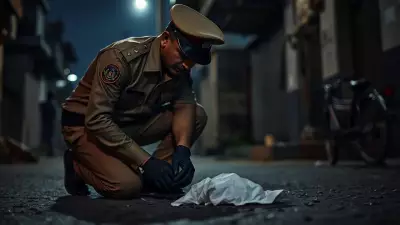
Tribal Man Brutally Murdered and Set Ablaze by Neighbor in Andhra Pradesh
A shocking incident of violence has unfolded in Andhra Pradesh, where a tribal man was brutally beaten to death and subsequently set ablaze by his neighbor. The gruesome crime has sent shockwaves through the local community, highlighting concerns over tribal safety and law enforcement responsiveness in the region.
Details of the Heinous Crime
The victim, a member of a tribal community, was allegedly attacked by his neighbor in a violent altercation that resulted in fatal injuries from severe beating. In a further act of brutality, the perpetrator set the body on fire in an apparent attempt to destroy evidence. This double atrocity—murder followed by arson—has raised serious questions about the motives and circumstances surrounding the incident, with local sources suggesting possible disputes or long-standing tensions between the parties involved.
Delayed Police Response and Legal Action
Authorities were not initially informed of the crime, leading to a delay in investigation and intervention. However, once the matter came to light, police swiftly registered a case under relevant sections of the Indian Penal Code. The charges include murder, destroying evidence, and arson, reflecting the severity of the offenses. The investigation is ongoing, with efforts to apprehend the suspect and gather forensic evidence from the crime scene, despite the challenges posed by the fire damage.
Broader Implications for Tribal Communities
This incident underscores the vulnerabilities faced by tribal populations in India, particularly in remote or rural areas where access to justice and protection can be limited. It has sparked calls for:
- Enhanced security measures in tribal regions to prevent such violence.
- Faster response mechanisms from law enforcement to ensure timely action.
- Awareness campaigns to address social tensions and promote communal harmony.
Community leaders and activists are urging authorities to take stringent action to deliver justice and prevent similar tragedies in the future, emphasizing the need for sensitivity and urgency in cases involving marginalized groups.