Residents Urge Decisive Action as Gangster Activity Escalates in Tricity
Residents across Chandigarh, Mohali, and Panchkula have voiced urgent concerns over the rising tide of gangster violence, including shootings, murders, and extortion. In a series of statements, citizens demanded the creation of special police investigation teams, enhanced surveillance, and swift judicial proceedings to curb the growing menace. The once-peaceful Tricity region now faces a coordinated criminal network that residents say threatens public safety and the city's cherished identity.
Multiple Shootings and Extortion Calls Fuel Fear
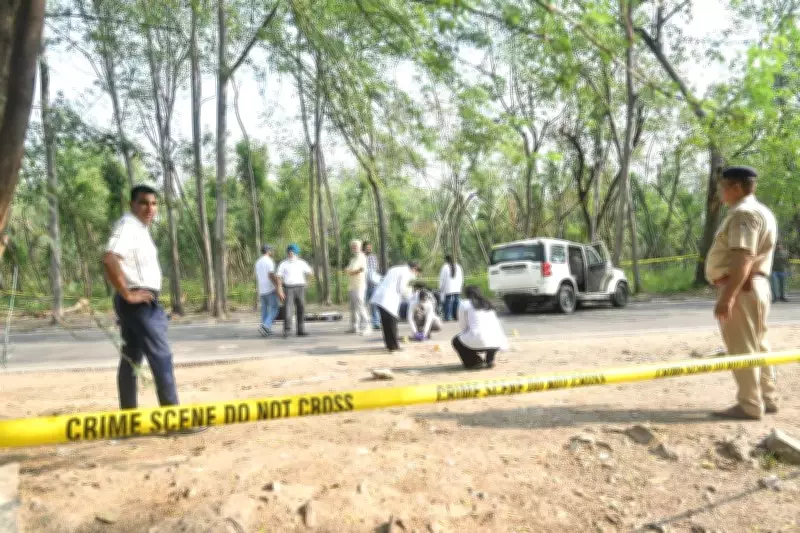
Recent incidents, including a shootout in Chandigarh's Sector 11 and a similar event in Sector 9 months earlier, have heightened anxiety. Residents report receiving extortion calls, with criminals using social media to intimidate and glorify their activities. According to Vaibhav Goyal, a Chandigarh resident, “Organised criminal groups associated with Lawrence Bishnoi and rival networks have expanded their activities, amplified through social media.” He added that the city's economic prosperity and concentration of wealth attract extortion bids.
Call for Anti-Gangster Task Force and Better Coordination
Garima from Mohali proposed setting up an anti-gangster task force with special training and real-time monitoring across Punjab, Haryana, and Chandigarh. Avinash Goyal echoed the need for visible action, stronger intelligence gathering, and faster investigation to restore public confidence. Many residents stressed that the issue should be treated purely as a law-and-order problem, not linked to any region or community.

Intelligence Networks and Community Engagement
Dr. Shruti K Chawla emphasized the need for stronger intelligence networks, quick-response teams, and monitoring of online activity. She also called for awareness drives in schools and colleges to steer youth away from gangster culture. Similarly, Sanjay Chopra from Mohali urged law enforcement to crack down on illegal arms suppliers and ensure swift punishment for offenders, while also engaging community participation and youth programmes.
Police Laxity and Bribery Concerns
Several residents criticized the police for a lackadaisical approach. Dr. Neha Saini stated, “The casual approach of the police in dealing with complaints boosts criminals’ morale.” Charu Malhotra raised concerns about bribery of officials and political interference, demanding deployment of honest officials with more powers. Abhilasha Gupta noted that jail authorities have failed to stop prisoners from using mobile phones to coordinate crimes.
Strengthen Surveillance and Emergency Response
NK Jhingan pointed out that despite extensive CCTV surveillance and police nakas, criminals exploit loopholes such as vehicles with missing or tampered registration numbers. He called for stricter ground-level vigilance and improved emergency response systems. Dr. HS Dhanoa recommended increasing patrolling in markets and public places, forming joint teams with Mohali and Panchkula, and equipping the anti-gangster task force with modern vehicles and weapons.
Learning from Global Models
Narinder Banwait suggested adopting elements of El Salvador's security model, which combines territory reclamation with high-intensity intelligence operations. He advocated for unified anti-gangster framework, enhanced surveillance networks, specialized fast-track courts, and modernized local policing to ensure immediate response times. “Adapting these decisive strategies ensures Indian cities can proactively neutralise emerging criminal threats,” he said.
Reward System and Zero Tolerance Policy
Yash Khetarpal proposed a reward and recognition system for police and residents who demonstrate courage in preventing crime. He also stressed the need to trace stolen vehicles often used by criminals. Vineet Gandhi called for a zero-tolerance policy, including strict and exemplary punishment, speedy trials, attachment of illegally acquired properties, and coordinated action among Chandigarh, Punjab, and Haryana.

Conclusion: Preserve Chandigarh's Legacy as a Safe City
Residents unanimously agree that without decisive action, gangsterism could become deeply entrenched. Capt (retd) Amar Jeet warned, “Gangsterism takes root in two soils — administrative delay and public fear.” The community demands immediate, visible steps to protect the city's reputation as one of India's safest and most disciplined urban centers.