Chaos Halts UP Bar Council Elections in Lucknow, Voting Cancelled and Postponed
The third phase of the Uttar Pradesh Bar Council elections in Lucknow faced significant disruption on Tuesday, as an unexpectedly large turnout of advocates overwhelmed polling arrangements and led to chaotic scenes that forced authorities to cancel the day's voting.
Overwhelming Crowd and Escalating Tensions
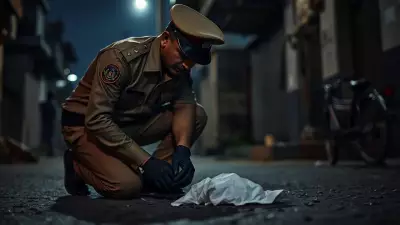
As voting commenced in the morning at the High Court premises in Lucknow, the sheer number of lawyers seeking to cast their ballots quickly exceeded all logistical preparations. The situation deteriorated further in the afternoon when some ballot papers were discovered outside the designated polling station, prompting contesting lawyers to raise slogans and protest.
The commotion inside the polling station intensified rapidly, creating an environment where orderly voting became impossible. By approximately 4 pm, officials had no choice but to halt the electoral process entirely due to the escalating disorder.
Official Cancellation and Postponement Orders
Returning Officer Justice (retired) AK Tripathi and observer Justice (retired) Surendra Singh issued a formal order declaring that all voting conducted on Tuesday until the afternoon had been cancelled. Furthermore, they announced the postponement of the polling scheduled for January 28.
The authorities stated that a new date for voting would be determined and communicated at a later time, leaving thousands of advocates uncertain about when they would next exercise their franchise.
Scope and Significance of the Disrupted Elections
The third phase of Bar Council elections was originally planned for Tuesday and Wednesday across 18 districts, including major legal hubs such as Lucknow, Kanpur, and Meerut. In Lucknow alone, more than 25,000 advocates from various bar associations—including the Awadh Bar Association, Central Bar Association, Lucknow Bar Association, and several tehsil bar associations—were expected to participate.
These elections hold particular importance as they occur only once every five years to determine the leadership of the UP Bar Council. Previous delays in conducting these elections had necessitated Supreme Court intervention, leading to the formation of a high-powered Election Committee to oversee the process.
Supreme Court Committee's Response and Broader Context
Justice (retired) A.R. Masoodi, a member of the Supreme Court-appointed Election Committee responsible for conducting the UP Bar Council elections, addressed the agitated lawyers during the disruption. He assured them that the elections would proceed according to their wishes and that all concerns were being carefully considered.
The current electoral exercise is being conducted in four distinct phases under the committee's supervision, with the third phase intended to conclude on Wednesday. Statewide, a total of 299,808 advocate voters are eligible to participate across all phases, making this one of the largest legal professional elections in the region.
This disruption highlights the challenges of managing large-scale democratic processes within professional organizations and underscores the importance of robust logistical planning for such significant events.