

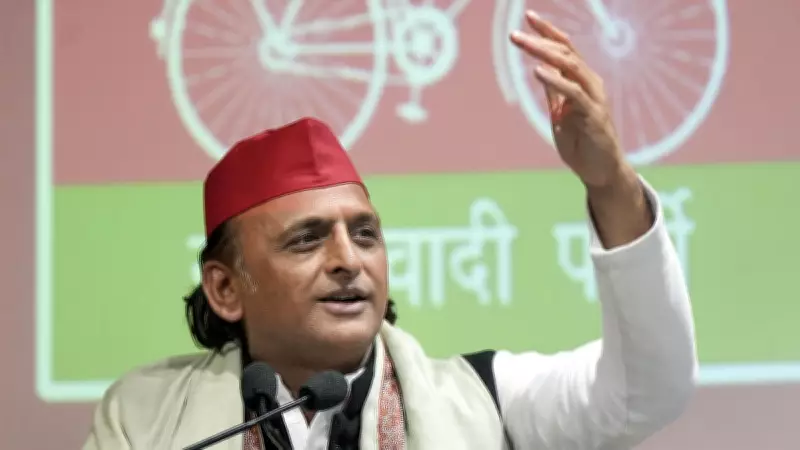
Akhilesh Yadav Advocates for Census Prior to Women's Reservation Implementation
Samajwadi Party (SP) chief Akhilesh Yadav has made a significant demand, calling for a comprehensive caste-based census to be conducted before the implementation of the Women's Reservation Bill in India. This bill aims to reserve one-third of seats for women in the Lok Sabha and state legislative assemblies, a move that has been long-debated in Indian politics.
Emphasis on Equitable Representation for Marginalized Groups
In his statement, Yadav emphasized that the reservation for women must ensure fair representation for women from Other Backward Classes (OBCs) and minority communities. He argued that without a proper census to identify the demographic composition of these groups, the reservation policy might fail to address the needs of the most disadvantaged sections of society. This stance highlights the SP's commitment to social justice and inclusive governance, reflecting broader concerns about equity in political representation.
Context and Political Implications
The Women's Reservation Bill, which was passed by Parliament in 2023, mandates that 33% of seats in the Lok Sabha and state assemblies be reserved for women. However, its implementation has been delayed, with the government citing the need for delimitation exercises based on the upcoming census. Yadav's demand adds a new layer to this discussion, as he insists that a caste census is crucial to tailor the reservation effectively. This position could influence political alliances and public opinion, especially in states like Uttar Pradesh, where caste dynamics play a pivotal role in elections.

Broader Debate on Reservation Policies
Yadav's call resonates with ongoing debates about reservation policies in India, which have historically focused on caste and gender. By linking women's reservation to caste data, he aims to ensure that the benefits reach those who are often left behind in mainstream politics. Critics, however, argue that this could complicate the implementation process and delay the empowerment of women overall. Nonetheless, Yadav's stance underscores the need for a nuanced approach to reservation that considers multiple dimensions of identity and disadvantage.
Future Steps and Government Response
The Indian government has not yet responded to Yadav's specific demand, but the issue is likely to gain traction as the next census approaches. Political analysts suggest that this could become a key point of contention in upcoming elections, with parties positioning themselves on social justice issues. As the debate unfolds, the focus will remain on how to balance the urgency of women's representation with the need for accurate demographic data to guide policy decisions.






