

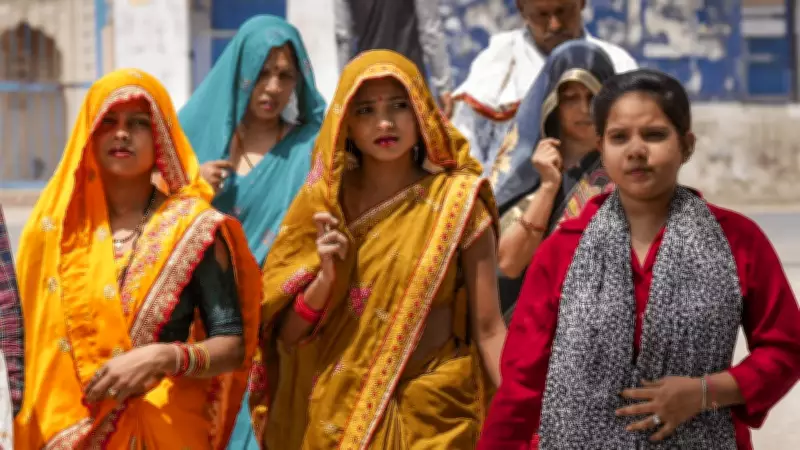
The old adage about men being from Mars and women from Venus, highlighting inherent differences in thinking, feeling, and behavior, now appears to extend to political and ideological preferences. Research suggests that women tend to lean leftward, while men gravitate toward the right. However, in the context of Indian elections, the narrative is more nuanced. Are Indian women voters shifting right, or are they simply voting smart?
The Gender Gap in Voting
Globally, studies have shown a persistent gender gap in political orientation. Women often prioritize social welfare, healthcare, and education, aligning them with left-leaning parties. Men, on the other hand, tend to favor economic liberalism and national security, which are often associated with right-wing ideologies. In India, this pattern has been observed in recent elections, with women increasingly supporting parties that promise stability and development.
Evidence from Recent Elections
Data from the 2019 and 2024 general elections indicates a shift among women voters. In 2019, the Bharatiya Janata Party (BJP) saw a significant increase in female support, particularly in rural areas. This trend continued in 2024, with women citing schemes like Ujjwala and Swachh Bharat as key factors. However, this does not necessarily indicate a rightward ideological shift. Instead, it reflects a pragmatic approach—voting for parties that deliver tangible benefits.

Smart Voting or Ideological Shift?
Political analysts argue that Indian women are voting smartly. They assess candidates based on local issues, governance, and welfare programs rather than abstract ideologies. For instance, women in Uttar Pradesh supported the BJP due to law and order improvements, while in Kerala, they leaned toward left-wing parties for better social infrastructure. This behavior underscores a rational choice model, where voters prioritize outcomes over party labels.
Factors Influencing Women's Choices
- Welfare Schemes: Programs like free gas cylinders, toilets, and housing have a direct impact on women's daily lives, making them key electoral influencers.
- Safety and Security: Concerns about crime and personal safety drive women toward parties that promise stricter law enforcement.
- Education and Health: Investments in schools and healthcare facilities resonate strongly with female voters.
Conclusion
The idea of a uniform rightward shift among Indian women is oversimplified. Their voting patterns are better understood as a strategic response to governance and welfare delivery. While some may align with right-wing parties, others remain loyal to left-leaning alternatives. Ultimately, Indian women are voting smart—choosing policies and candidates that address their immediate needs and aspirations.






