Punjab Opposition Leader Advocates for State's Role in India-EU Free Trade Agreement
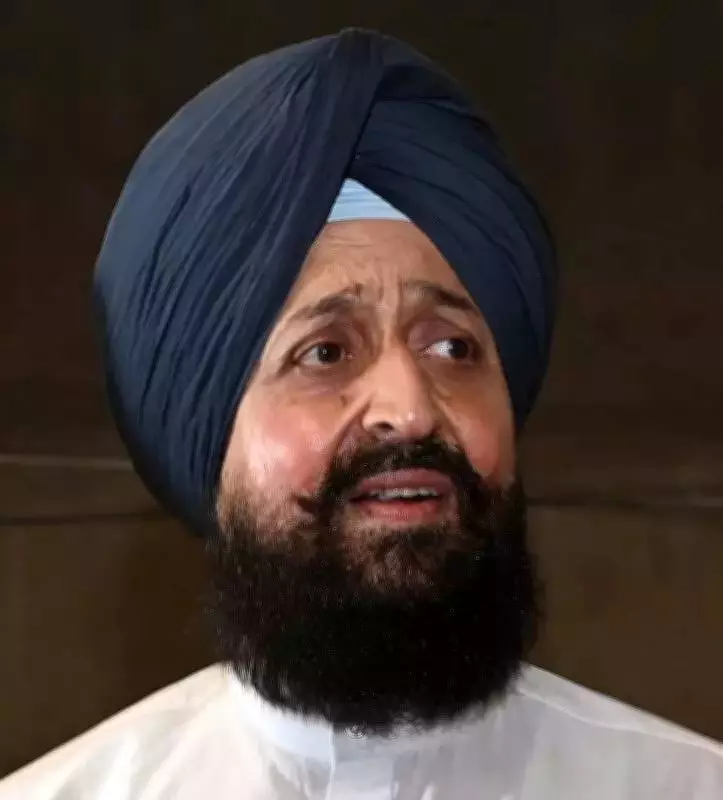
Leader of the Opposition in the Punjab Legislative Assembly, Partap Singh Bajwa, has formally urged Prime Minister Narendra Modi to adopt a cooperative federal approach. This strategic move aims to ensure that Punjab reaps substantial benefits from the recently concluded India-European Union Free Trade Agreement (FTA).
Written Appeal to the Prime Minister
In a detailed written communication addressed to PM Modi, Bajwa emphasized the significant economic opportunity that the India-EU FTA presents for Punjab. He stressed the necessity of a collaborative and inclusive strategy to guarantee that the advantages of this landmark trade deal are distributed equitably across all states, with a particular focus on Punjab.
The Congress leader extended his congratulations to the Prime Minister for successfully finalizing the India-EU FTA. This agreement grants preferential market access for over 99% of Indian exports to the vast European market, which comprises nearly 45 crore consumers and boasts an economy valued at approximately USD 21 trillion.

Unlocking Punjab's Export Potential
Bajwa articulated that the full potential of this agreement can only be realized when states, especially those driven by manufacturing and agriculture like Punjab, are effectively integrated into its implementation and follow-up mechanisms. He highlighted Punjab's strategic geographical location and its well-established industrial ecosystem as key assets.
The senior leader pointed out that export-oriented clusters in cities such as Ludhiana, Jalandhar, and Mandi Gobindgarh are naturally positioned to meet European demand in various sectors. These include garments, sports goods, engineering products, dairy processing, agricultural machinery, and agribusiness.
Essential Infrastructure and Support
Bajwa underscored that sustained investment in logistics efficiency, enhanced connectivity, and time-bound clearances are crucial. These measures are essential to convert tariff preferences into real competitiveness for Punjab's exporters and Micro, Small, and Medium Enterprises (MSMEs).
In his communication, he also emphasized the importance of reducing Punjab's reliance on distant maritime routes. He proposed developing the state as a land-based trade and logistics hub, effectively linking India with Eurasia and Europe.
Proposals for Enhanced Trade Infrastructure
Bajwa suggested that focused investment in several key areas could substantially lower logistics costs while strengthening India's overall export resilience. These areas include:
- Rail freight corridors
- Dry ports
- Logistics parks
- Integrated check posts
- Modern customs infrastructure
Call for Structured Engagement and Support
Emphasizing the spirit of cooperative federalism, the Qadian MLA encouraged structured engagement between the Central Government and the state government. This collaboration is vital for shaping sector-specific implementation roadmaps under the India-EU FTA.
He also highlighted the need for targeted support to assist MSMEs in meeting European regulatory, quality, and sustainability standards. Additionally, Bajwa advocated for promoting state-EU partnerships in critical areas such as:
- Food processing
- Dairy industry
- Horticulture
- Agricultural machinery
- Green technologies
Punjab's Contribution and Future Role
Bajwa observed that Punjab has consistently contributed to national priorities, ranging from food security to defence preparedness and industrial growth. He expressed confidence that with appropriate infrastructure support, institutional coordination, and inclusive trade planning, Punjab could once again play a leading role in advancing India's export growth and employment generation.
The Leader of the Opposition expressed his firm belief that the India-EU FTA presents a significant opportunity to translate global economic engagement into inclusive development and sustainable livelihoods for the people of Punjab.