The West Bengal Cabinet on Thursday approved the formation of a committee to examine the draft Uniform Civil Code (UCC) Bill, chaired by retired Supreme Court judge Ranjana Prakash Desai. The committee has four weeks to scrutinize the draft and submit recommendations, after which the Bill is expected to be introduced in the Assembly during the extended Budget Session in August.
Cabinet Decision and Timeline
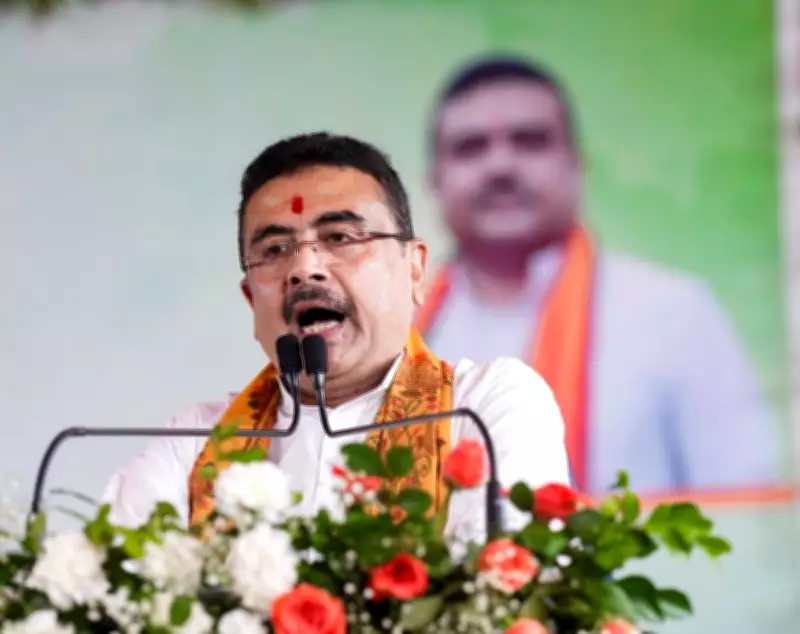
Minister Agnimitra Paul confirmed the decision after the Cabinet meeting, stating that the committee will have a month to review the West Bengal Uniform Civil Code 2026 draft bill. Chief Minister Suvendu Adhikari had announced the government's intent to proceed with a state-specific UCC framework on Monday in the Assembly, fulfilling a key BJP election promise that helped end the Trinamool Congress's 15-year rule.
The proposed legislation aims to establish a common civil framework for marriage, divorce, inheritance, succession, and adoption, replacing religion-based personal laws while retaining constitutional safeguards for exempted categories. If passed, West Bengal would become the fourth Indian state to implement a UCC.

Political Context and Opposition
The move comes ahead of the six-month timeline pledged in the BJP's election manifesto. Union Home Minister Amit Shah had promised UCC implementation within six months of assuming office. State BJP president Samik Bhattacharya clarified that Scheduled Tribes recognized under constitutional provisions would remain outside the proposed law, and their customs and traditions would stay protected.
Opposition parties have criticized the move. Former Chief Minister Mamata Banerjee urged strong resistance, arguing that reforms affecting personal laws require wider consultation. TMC MLA Kunal Ghosh questioned whether the UCC is for welfare or political polarization. Leader of Opposition Ritabrata Banerjee also called for extensive public discussion before enactment.
Implications and Next Steps
The Justice Desai committee's scrutiny will shift focus from electoral rhetoric to legislative debate. The August Assembly session is expected to see sharp political confrontations, with the BJP framing the UCC as a step toward legal uniformity and gender justice, while the opposition highlights constitutional safeguards and minority rights. The proposal is poised to significantly impact West Bengal's political landscape, given its history of identity-based debates.